Skretting Australia is an international company producing feed for the aquaculture industry. They pride themselves on their commitment to sustainability. Thisyear, they have once again generously committed to helping out our tree planting efforts in Tasmania, to the tune of 2030 trees!
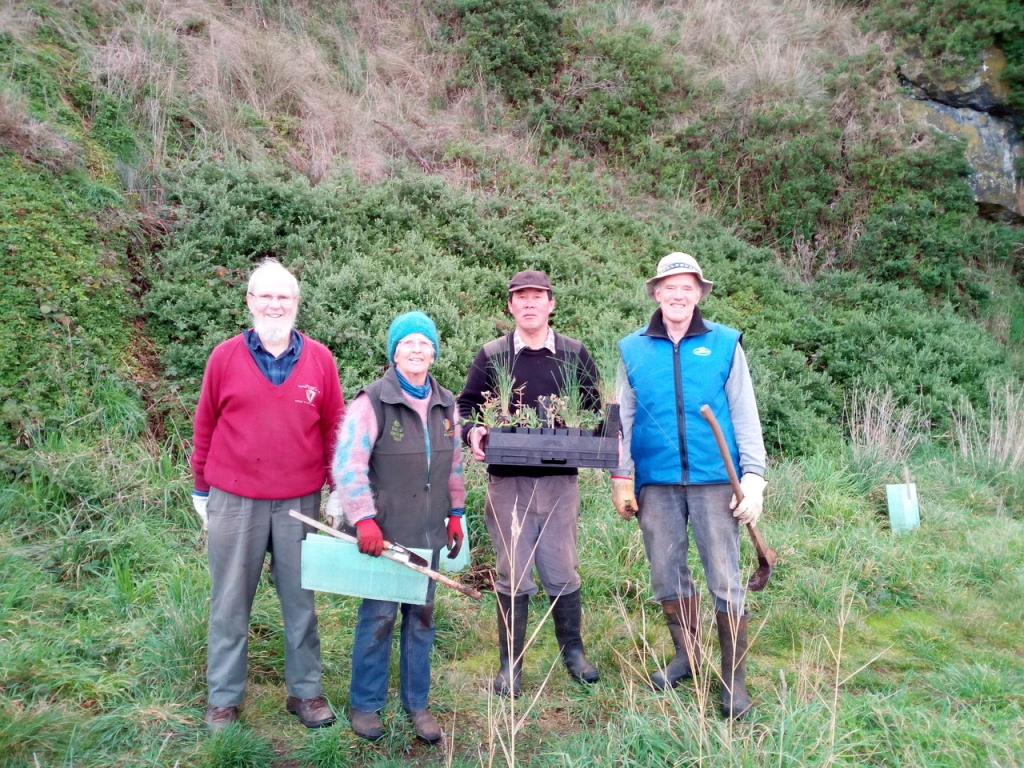
Skretting’s trees were distributed across 3 locations. At Wynyard, 700 trees were planted at Sister’s Creek and Doctors Rocks, 1,000 trees went to Alison Hugo and her community groups in the Launceston district, and the remaining 330 trees trees were planted with Landcare Tasmania near Burnie.
Thank you James Rose very much for your donation of 700 trees to Wynyard Landcare for our revegetation works. The first site is a riparian zone of a local creek at Sisters Creek. This creek system is a confluence of two small creeks, a very wet area invaded by Gyceria maxima. We killed the grass by covering with black plastic mulch, that took about 12 months. Once these trees grow, the weeds will be suppressed.
The second site at Doctors Rock is a degraded coastal site that is home to hundreds of Little Penguins. The trees will provide suitable habitat for the nesting penguins.
Thank you for the opportunity in helping us to plant more trees.
Peter Lawrence | Secretary | Wynyard Landcare
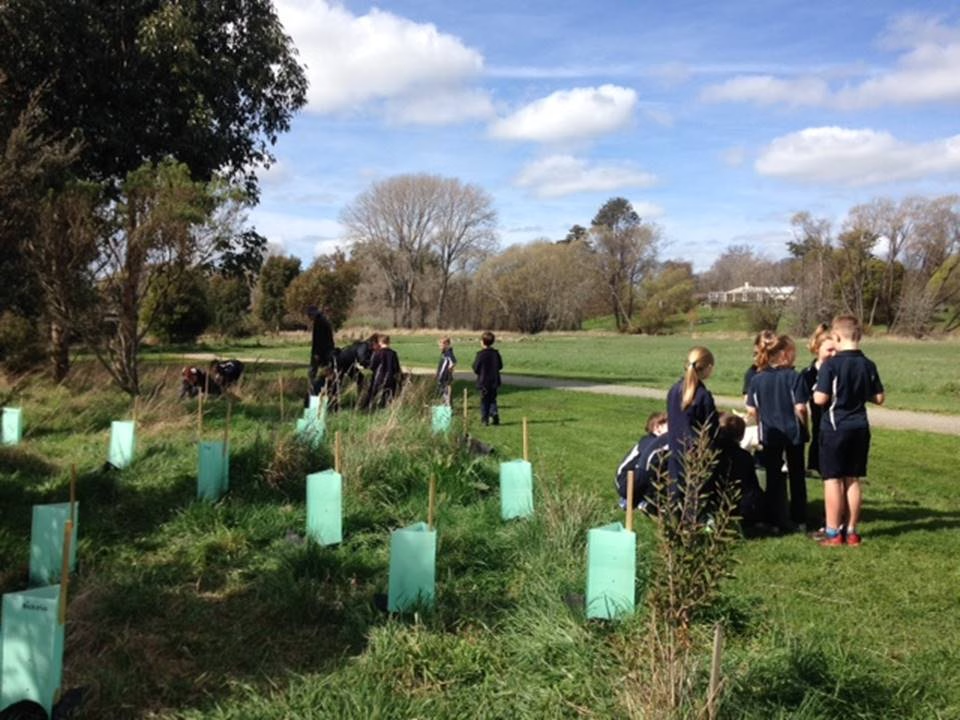
The following groups were grateful recipients of 1000 native trees to assist with their local landcare activities. East Tamar Landcare Group, Queechy High School, Trevallyn Primary School, Lilydale Landcare, Westbury Town Common and Quamby Bend Landcare.
The native planting projects were used for a wide range of projects and included; riparian planting along local waterways, establish biodiversity corridors, infill planting on school grounds and improving habitat values in recreational reserves.
Thanks again for your valuable support. The schools and groups all appreciate the native plants.
Alison Hugo | Biodiversity Project Coordinator
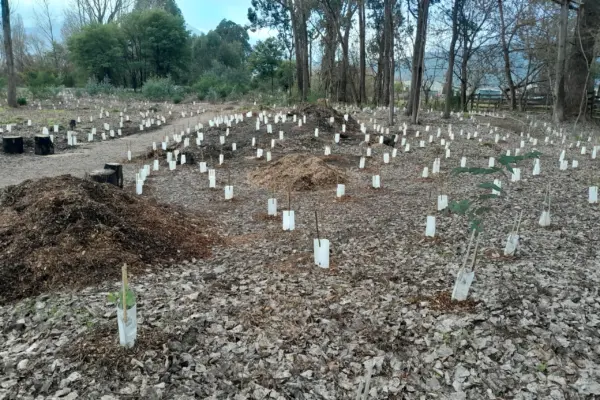
[/fusion_builder_column][fusion_builder_column type=”1_1″ background_position=”left top” background_color=”” border_size=”” border_color=”” border_style=”solid” spacing=”yes” background_image=”” background_repeat=”no-repeat” padding=”” margin_top=”0px” margin_bottom=”0px” class=”” id=”” animation_type=”” animation_speed=”0.3″ animation_direction=”left” hide_on_mobile=”no” center_content=”no” min_height=”none”]Westbury Town Common
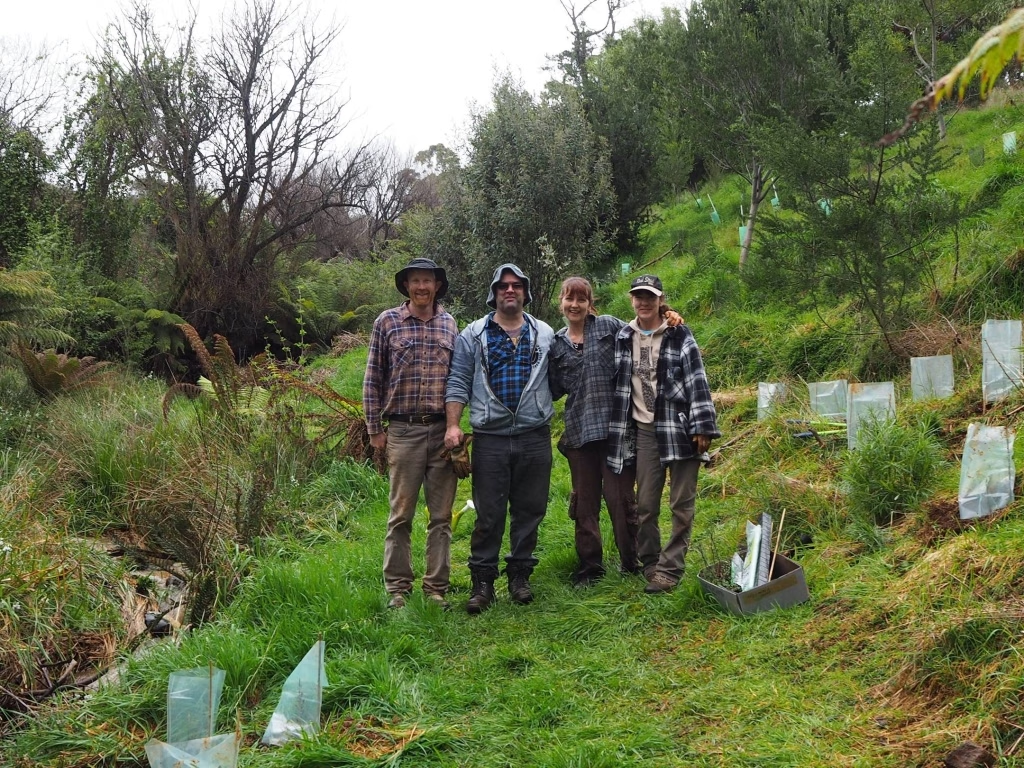
And the final 330 trees went to the Alexander Creek Landcare group near Burnie.
While out tree planting, we discovered a good little population of the endangered Burnie Burrowing Crayfish (Engaeus yabbimunna) in the creek. Thank you to Skrettings Australia and Fifteen Trees for helping our project.
Peter Stronach | Coordinator | Landcare Tasmania
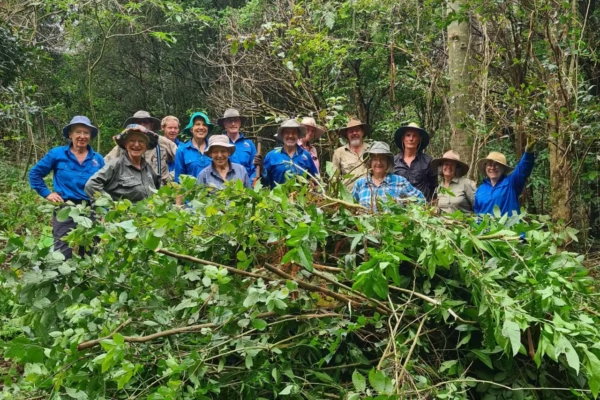
[/fusion_builder_column][fusion_builder_column type=”1_1″ background_position=”left top” background_color=”” border_size=”” border_color=”” border_style=”solid” spacing=”yes” background_image=”” background_repeat=”no-repeat” padding=”” margin_top=”0px” margin_bottom=”0px” class=”” id=”” animation_type=”” animation_speed=”0.3″ animation_direction=”left” hide_on_mobile=”no” center_content=”no” min_height=”none”]Planting trees at Alexander Creek.
Huge thank you Skretting Australia for your continued support of tree planting projects in Tasmania. Your generous assistance has enabled 9 community groups to complete their planting projects.
Slàinte – Colleen
[/fusion_builder_column][/fusion_builder_row][/fusion_builder_container]
Each year, Fifteen Trees plants native trees for every new home built by the Wodonga team. A tangible and lasting contribution to the local environment.
Chris and Sharri Longmore from G.J. Gardner Homes Shepparton are generous supporters of local community groups, and their tree planting projects. To date, Chris, Sharri and their team purchased almost 3,000 native trees for the Goulburn Valley district.
According to Sustainability Victoria, the average Australian lifestyle produces 15,000kg of carbon per year. If that sounds like a lot, it is! Over its lifetime, a tree can collect and store 268kg. This means, we each need to plant 58 trees per year to bring our individual carbon production down to zero. A little tricky for most of us to do in our own backyards, and this is where ‘A Subscription for the Planet’ comes in.

 Skretting’s trees were distributed across 3 locations. At Wynyard, 700 trees were planted at Sister’s Creek and Doctors Rocks, 1,000 trees went to Alison Hugo and her community groups in the Launceston district, and the remaining 330 trees trees were planted with Landcare Tasmania near Burnie.