Design and fabrication company Like Butter is based in Castlemaine. Ran and owned by very talented folk – industrial designer Jem Selig Freeman and sculptor Laura Woodward, they continue to support our community projects by annually purchasing and planting 500 native trees.
To lead the shift towards a circular economy by redefining sustainable manufacturing, empowering people to make ethical choices, and inspiring businesses to prioritise the health of our planet and its people.
Jem Selig Freeman | Director | Like Butter
Like Butter has gained a reputation for its approach to design and fabrication that is based on flexible and lateral thinking, strong aesthetics and considered detailing, in order to achieve the simplest and most effective solutions for the project at hand.
From its own furniture and lighting products, to one-off commissions for significant design and fabrication projects, to public art installations, through to film and animation production. The common thread? Learning through play, and ‘just making stuff’. This has resulted in exquisite shelving, storage solutions, plant stands, vinyl record storage, desks, tables, and more. The team have a real flair for combining design and practicalities.
Every year, the team from Like Butter join Fifteen Trees and the Brisbane Ranges Landcare Group to go out tree planting.
Mt Rothwell sits on the Victorian Volcanic Plains, a landscape shaped by ancient basalt lava flows that created the distinctive rocky rises and fertile soils. The planting site lies within one of Australia’s most threatened ecosystems the Natural Temperate Grasslands of the Victorian Volcanic Plain, listed as critically endangered under federal legislation. Less than one percent of this grassland type survives in good condition across Victoria. The dominant native vegetation is Kangaroo Grass, supported by a diversity of native wallaby grasses. Mt Rothwell operates as a predator-free sanctuary and has been central to the recovery of multiple threatened species since its establishment, making it one of the most important private conservation reserves in south-eastern Australia.
Restoring native tussock grasses rebuilds the structural complexity that ground-dwelling animals depend on for shelter, foraging, and movement. Dense grass tussocks create the cool, moist microhabitats that support the invertebrates, fungi, and plant material that species like the Eastern barred bandicoot dig for. Deep-rooted native grasses improve soil health, increase water infiltration, and outcompete the exotic pasture grasses that currently dominate much of the site. Over time, a restored grassland also supports a self-sustaining invertebrate community.
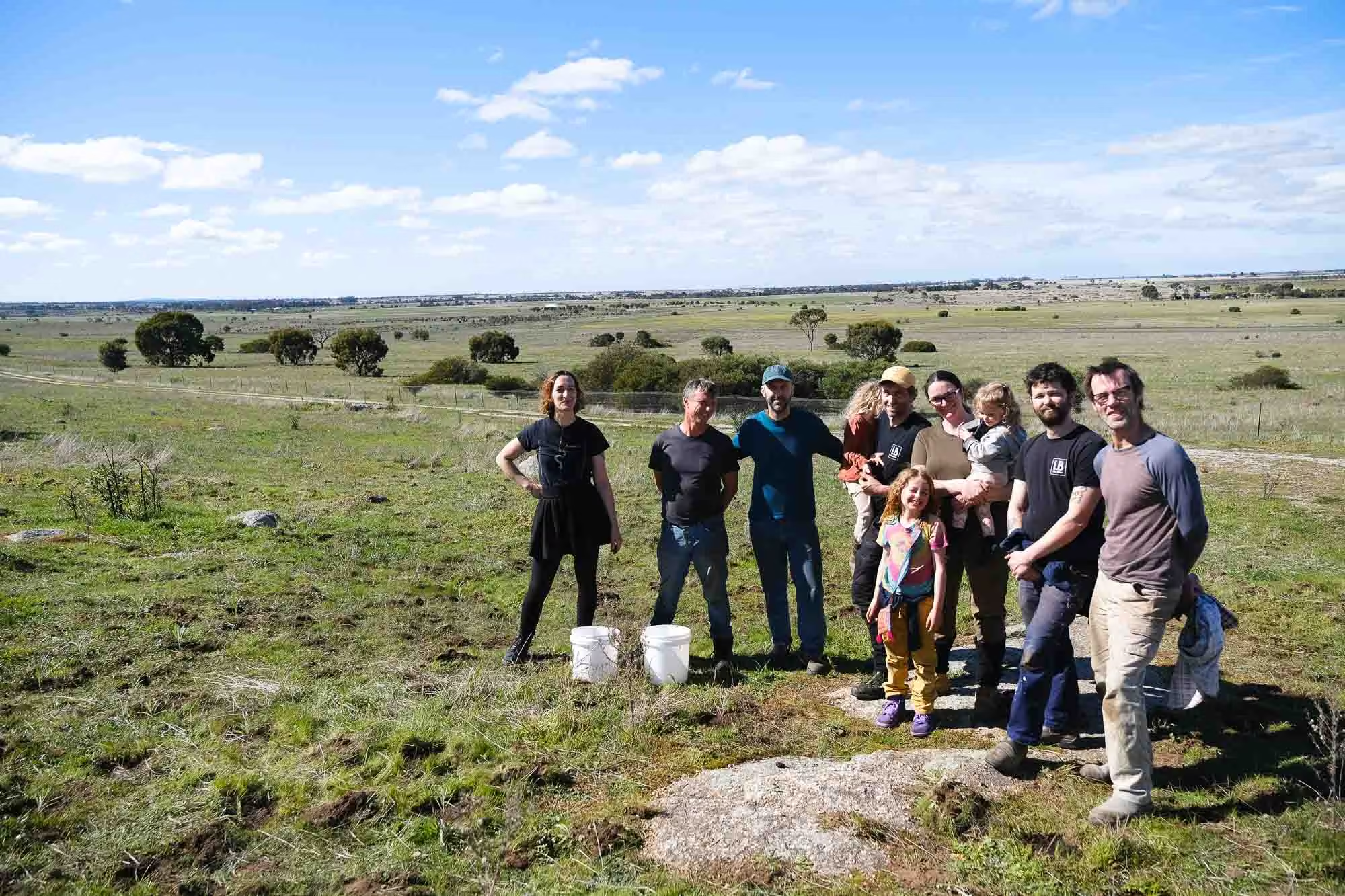
The restored grassland section is being prepared specifically for the introduction of hybrid Eastern barred bandicoots animals at the centre of one of Australia’s most ambitious mammal recovery programs. The Eastern barred bandicoot is surviving only within predator-proof sanctuaries and islands like Mt Rothwell. The hybrid animals being sourced from Tiverton carry greater genetic diversity than the existing mainland population, making them more resilient and reproductively robust a critical step in the long-term recovery of the species.
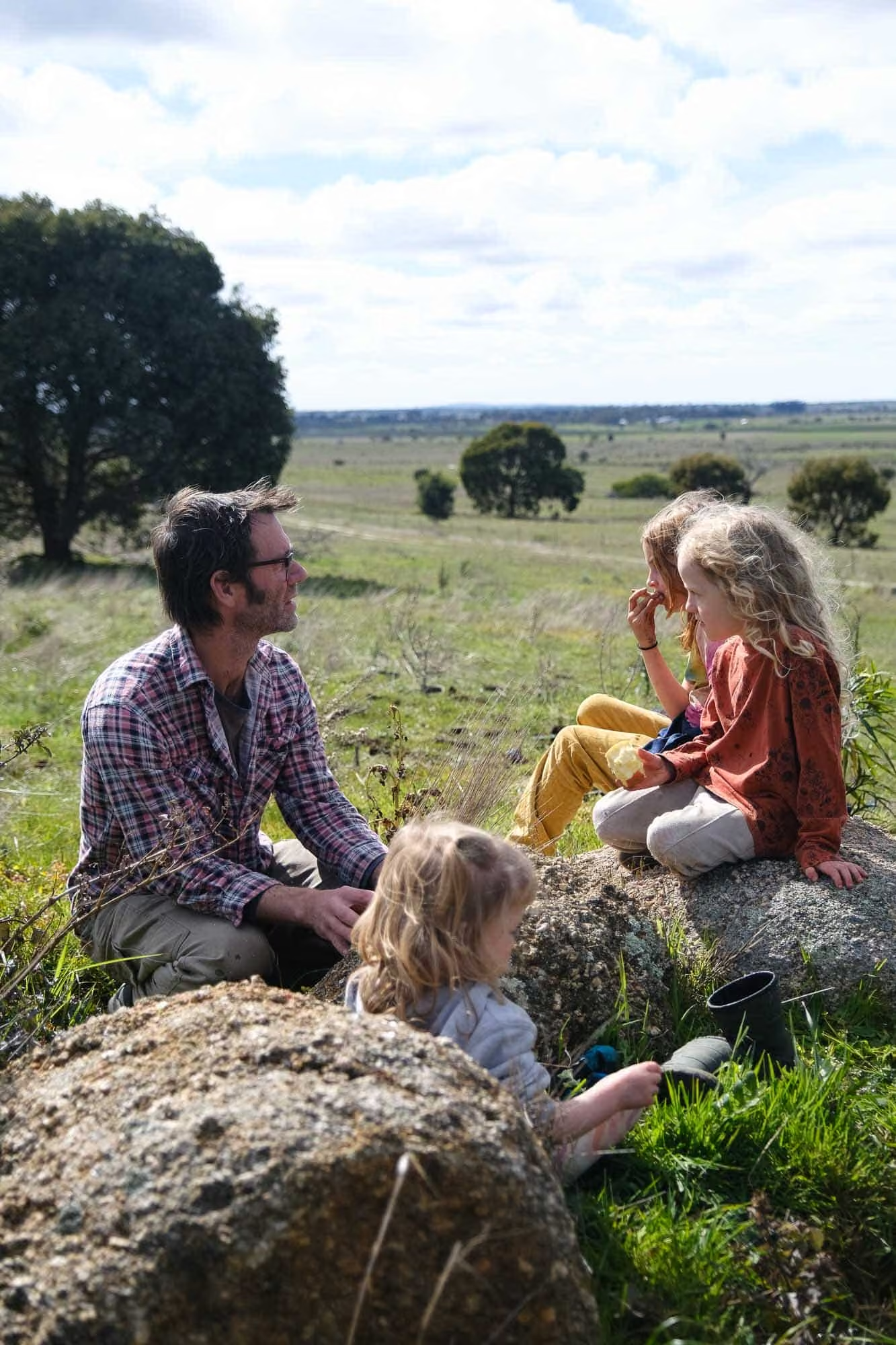
Mt Rothwell is also home to the Eastern quoll, extinct on the Australian mainland for over 50 years and reintroduced on site as part of an active recovery program. Bush stone-curlews, a species in decline across much of their range, are present on site, as are a range of grassland birds that depend on intact native ground cover. The restoration of this section directly expands the habitat available to all of these species.
Mt Rothwell sits on the Victorian Volcanic Plains, the third largest basalt plain in the world. Sadly, less than 1% of this unique ecosystem remains today. At 473 hectares, Mt Rothwell is Victoria’s largest feral predator-free sanctuary. Foxes and cats were eradicated over a decade ago, paving the way for the safe return of vulnerable native species.
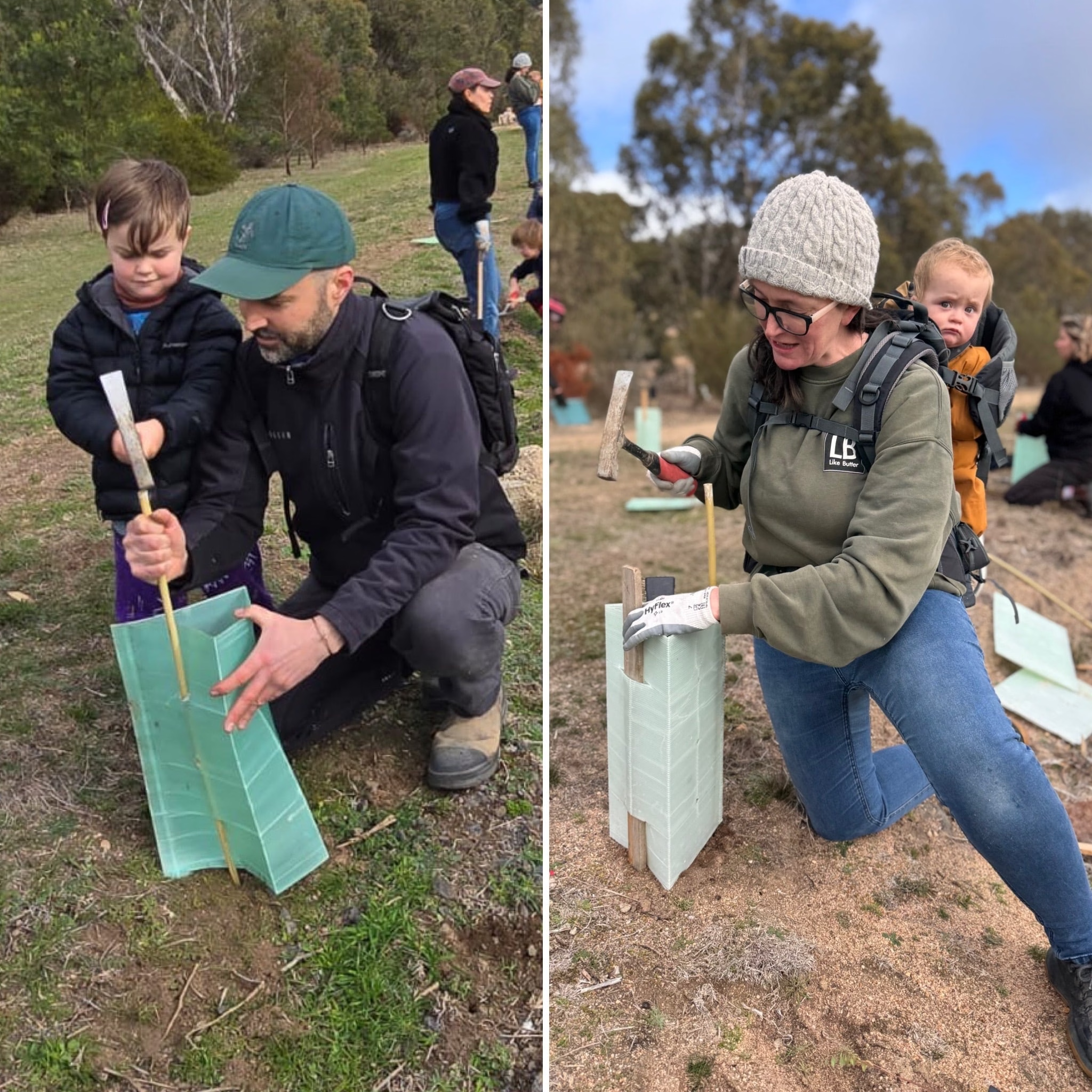
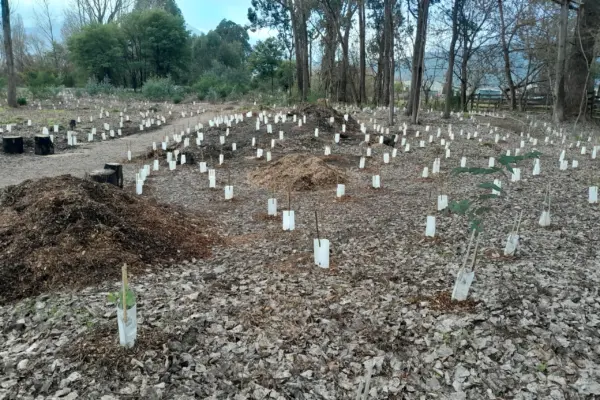
It was here, that the crew from Like Butter showed up to help with a revegetation project. At Mt Rothwell, habitat restoration is ongoing and includes extensive weed control and revegetation. Recent planting along an old creek bed by Like butter will help reduce erosion and create essential habitat for local wildlife. Today, Mt Rothwell plays a vital role in recovery programs for the Eastern Barred Bandicoot, Brush-tailed Rock-wallaby, Eastern Quoll, and the Spiny Rice Flower.
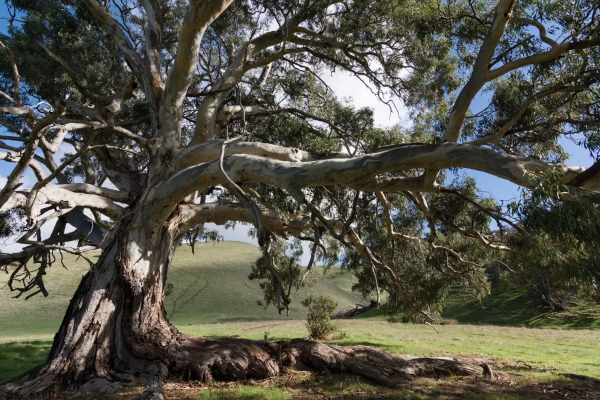
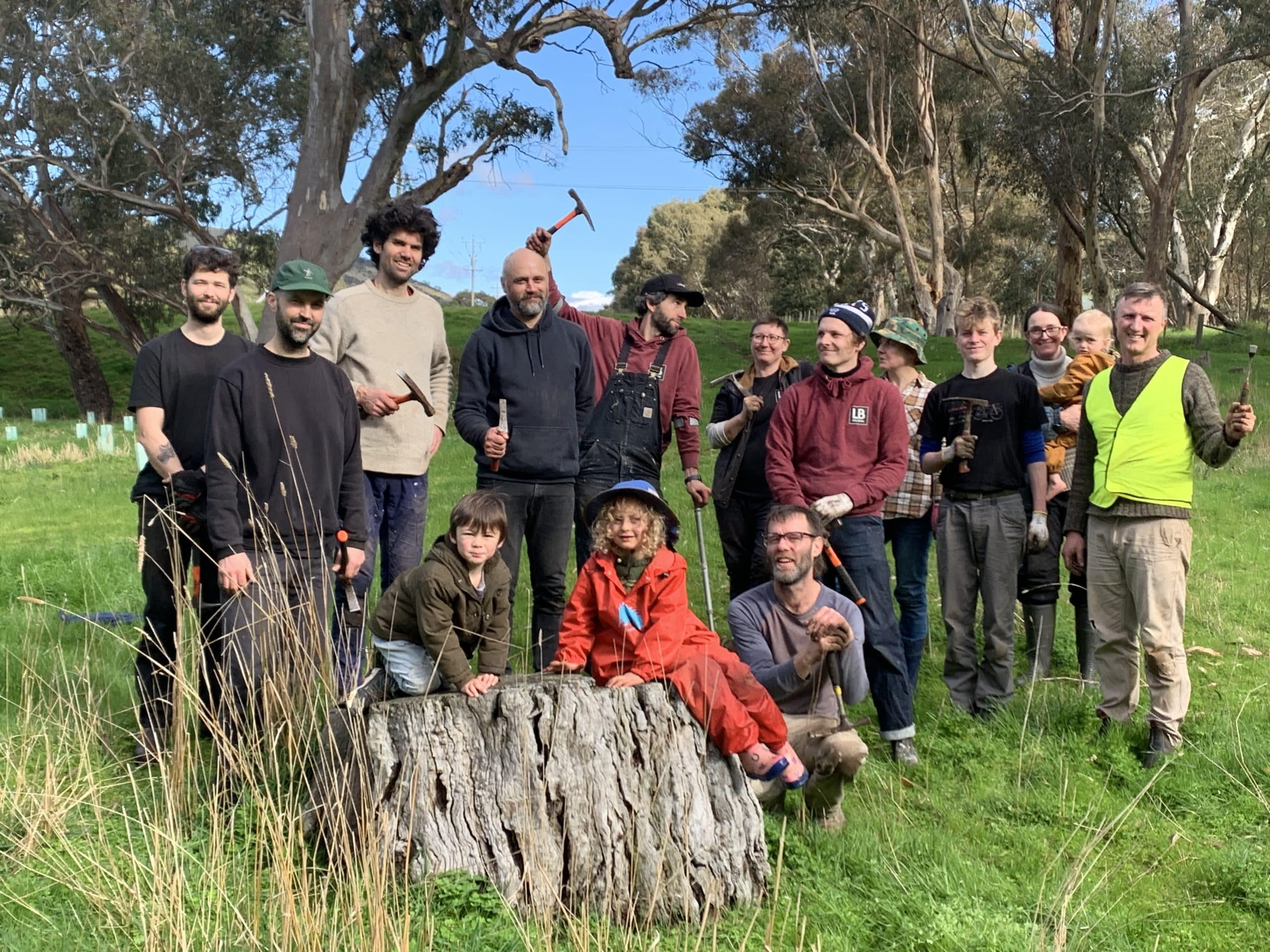
In early July, we travelled to Balliang, VIC with the team from Like Butter to plant their 500 native trees. These trees are crucial to the local terrain, mountains, rivers and flora/fauna in the Brisbane Ranges. Over time, a wildlife corridor with the trees, will be created for native animals to travel safely between the adjoining National Park to the numerous native reserves in the district. The trees were selected to promote beneficial insects and pollinators. To also promote biodiversity, over 20 species of trees indigenous to the district were planted. Trees such as; Hedge Wattle, Drooping Sheoak, Silver Banksia, River Red Gum, Yellow Box and Gum, Grey Box, Messmate, Red Box and Manna Gum.
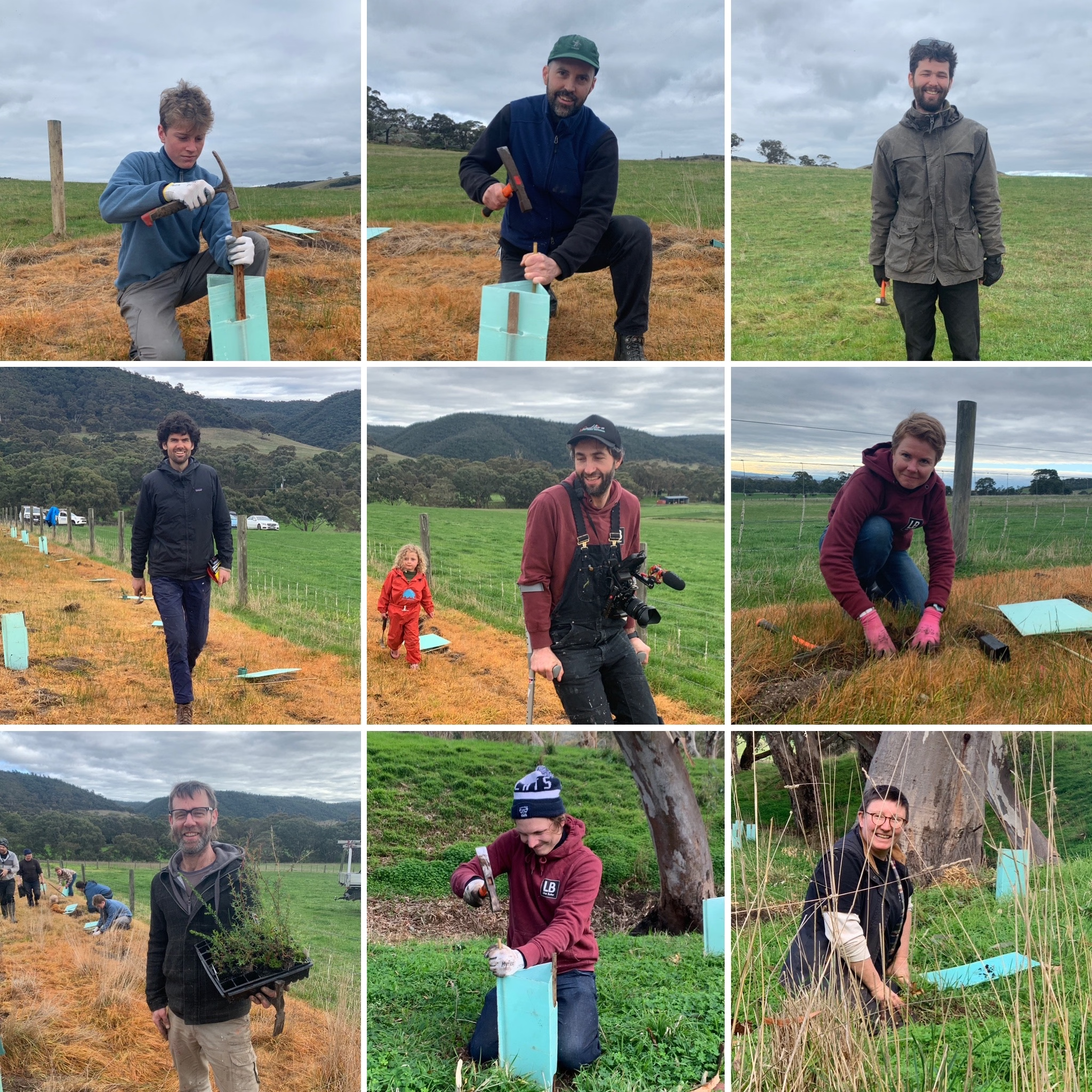
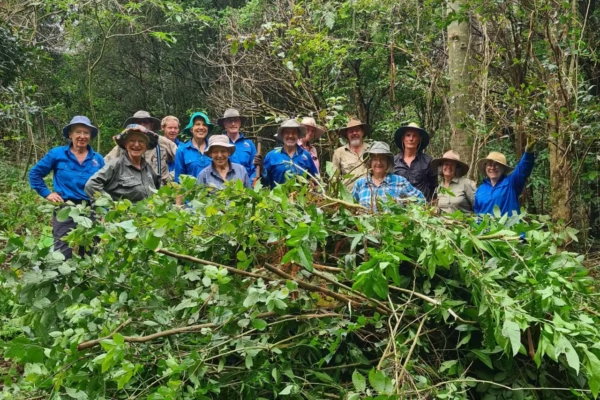
It was fabulous to join Like Butter to plant the trees, meet the team and personally thank them for their generous support. People Care and Planet Care in action.
Like Butter’s extensive commitment to good environmental and worker practice is to be admired. The company champions the following ethics:

aIf you are interested in how your business could also support our community planting projects contact Colleen at [email protected]
Writer – Lou Ridsdale
She is a green thumb, Earth Lover, big-hearted nature freak, plus a savvy media and horticulture expert, who passionately believe that everyone can lead a more nourishing and sustainable life. Her passion for education + communication being the most empowering tool for change is reflected in her setting up her side hustle Hey Hoe Let’s Grow. She also founded Food Is Free Inc., a unique grassroots food security platform specialising in food security education. She fell in love with trees after reading The Magic Faraway Tree as a child. You can find Lou here