When Fast Times, Australia’s premier skateboard retailer got in touch with us to sponsor our community groups and their tree planting projects, we were pretty excited to partner with them. With 24 stores across Australia, they have always been highly committed to enviro causes, e.g. replacing single use plastic bags to reusable ones. Planting trees is a new focus for them, and we wholly encourage them in that pursuit and thank them for getting behind us to help future-proof the planet in our own unique way.

We’ve found that most skaters we know, as well as surfers, snowboarders, and skiers come to think of it, tend to be very motivated to protect nature and really encourage their skater pals to also be involved in some way. It is generally driven by a deep love of cleaner oceans, snowfields and rubbish-free parks and other open spaces for skating. That’s what happens when you are outdoors so much – you connect with nature, along with your sport, in a deeper level.
‘The environmental benefits were a key driver in our community initiatives, but we were also excited about the opportunity to implement a dedicated program that would allow us to support causes close to our hearts. By partnering with a variety of organisations it also allows us to react to immediate need in the community’.
Fast Times.
The trees were planted along the Inglis River Reserve in Northern Tasmania by the Wynyard Landcare Group. This was a community event attended by locals and regular users of the Inglis River Track. The reserve is one of the last significant uncleared areas of riparian landscape on NW coast. Riparian is a term used to describe the land adjoining rivers, creeks and waterways. Predominantly wet sclerophyll forest, sections of the reserve contain trees, including the endangered Eucaluptus brookeriana and orchids not found anywhere else.
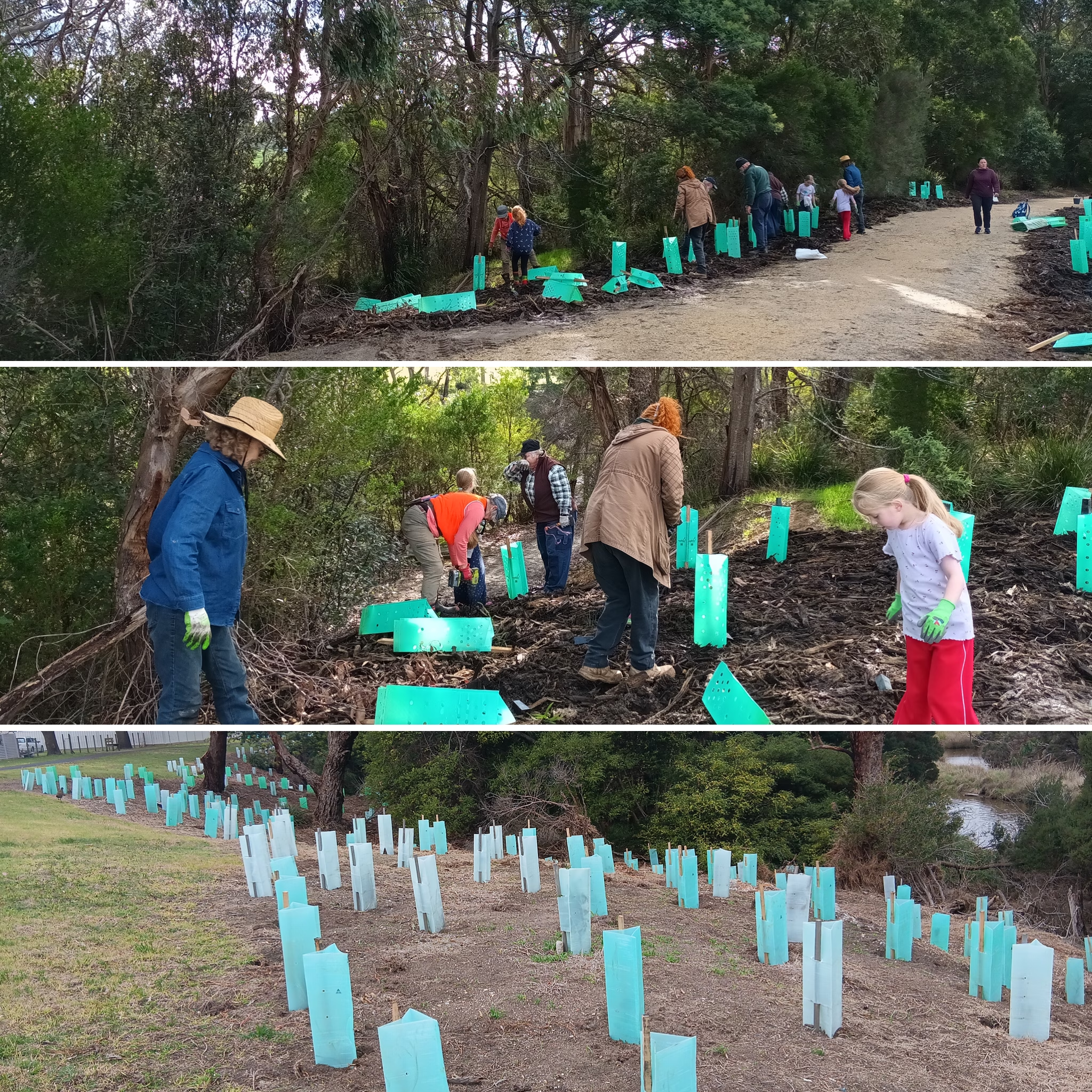
The species that were planted are those that are currently present in the reserve, and others have been reintroduced, these include the rare Brookers Swamp gum (E. brookeriana), Black Peppermint and Blackwood. These taller trees will provide the framework with an under-storey of local shrubs including Silver Banksia, Prickly Moses, Necklace Sheoak and Manuka Teatree. Other smaller plants and sedges have also been included, as well as native ground-covers and grasses.
Thank you to everyone who has supported this project. Your generosity enables us to function. Without your help, our efforts to repair and revegetate the remnant bush in our community would be impossible.
Brenton Hosking | President | Wynyard Landcare
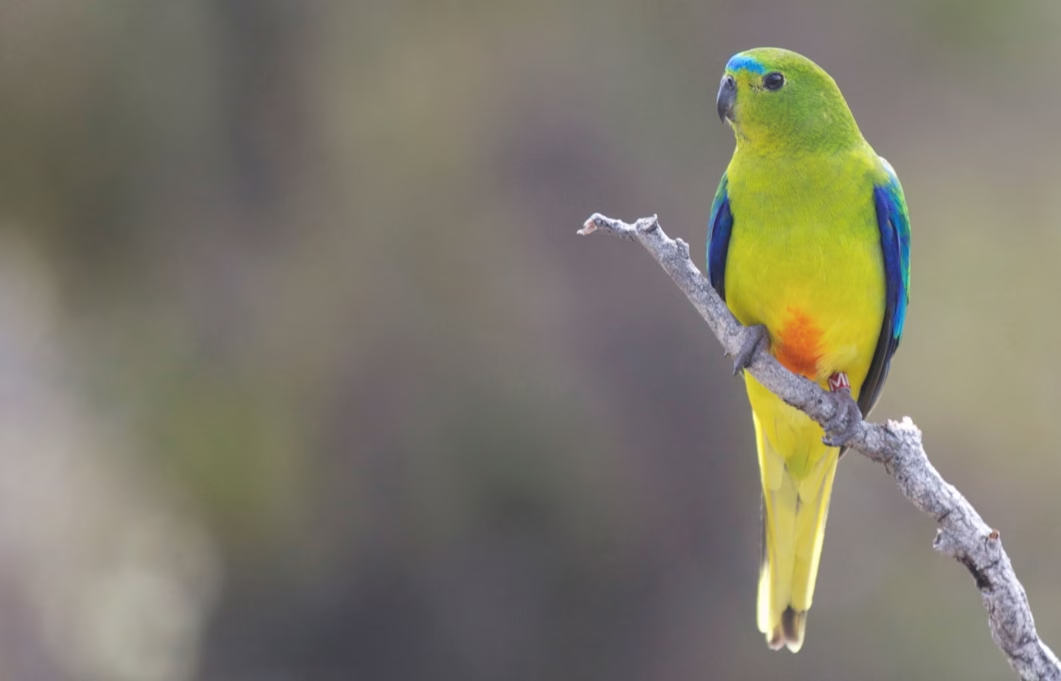
The plants selected for these sites will restore the type of plants found at the site before urbanisation and help to restore the structure and complexity of the available habitat. The endangered Azure Kingfisher is found along the riverbank, Orange-bellied parrots use the reserve as a stopover point and Wildlife cameras have recorded a resident population of pademelons.
On Wurundjeri Country, at Werribee, VIC at a former pine plantation site, over 200 people turned up to plant trees on a sunny Sunday morning. They came from all corners – local scout groups, a geocaching group, Friends of Werribee Gorge, Friends of Long Forest Mallee, Moorabool Landcare Network, Bacchus Marsh Lions Club, the Victorian Mobile Landcare Group, Victorian National Parks Association and the Shah Satnam G Green S Welfare Society. A remarkable cross-section of community, united by a single morning of planting.
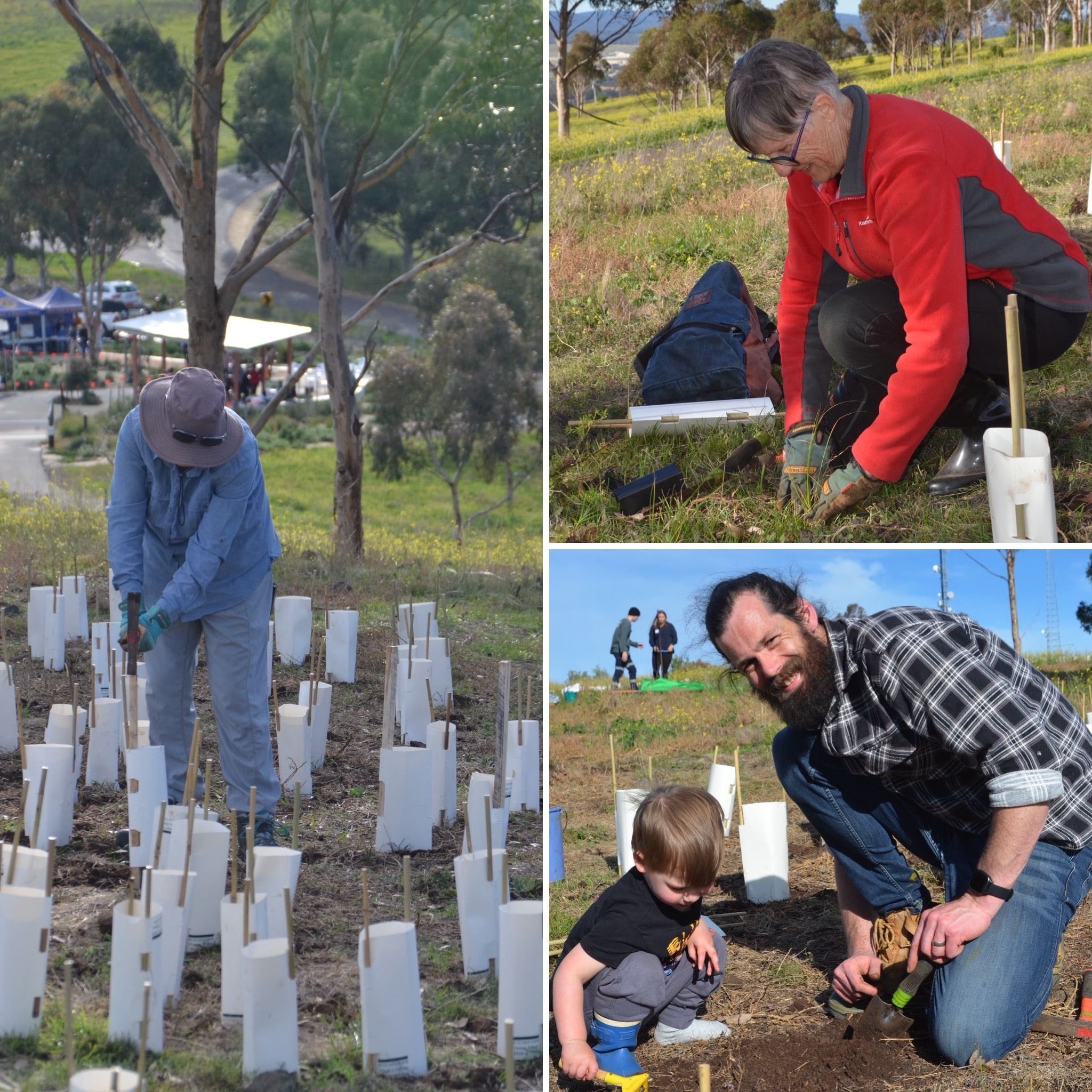
This was Grow West’s Community Planting Day – an annual event that has become something of a fixture in the local calendar. The day is about Care for Country, connection between neighbours and the kind of collective effort that reminds you what a community can do when it turns up. And turn up they did. By the end of the day, 3,500 native seedlings had been planted across Bald Hill Reserve – 33 species in total, including Drooping Sheoak, Tree Violet, Common Everlasting Daisies, New Holland Daisies, Austral Bluebells, Chocolate Lilies, Wallaby-grass and Spear-grass. It’s a diverse and deliberately chosen mix, designed to rebuild the under-storey that a plantation site lacks and to restore the kind of layered, functioning ecosystem that local wildlife depends on.
Koalas move through this landscape. Swift Parrots (one of Australia’s most critically endangered birds) have been recorded in the area. Little Eagles hunt overhead. Every seedling in the ground at Bald Hill Reserve is a step toward giving these species more of what they need, that is a connected, healthy, biodiverse native habitat spreading across the Moorabool landscape. The local Shire Council has already done significant work at this site, and the Grow West planting day builds beautifully on that foundation, increasing biodiversity, improving habitat connectivity and ensuring that Bald Hill Reserve continues to grow into something genuinely extraordinary.
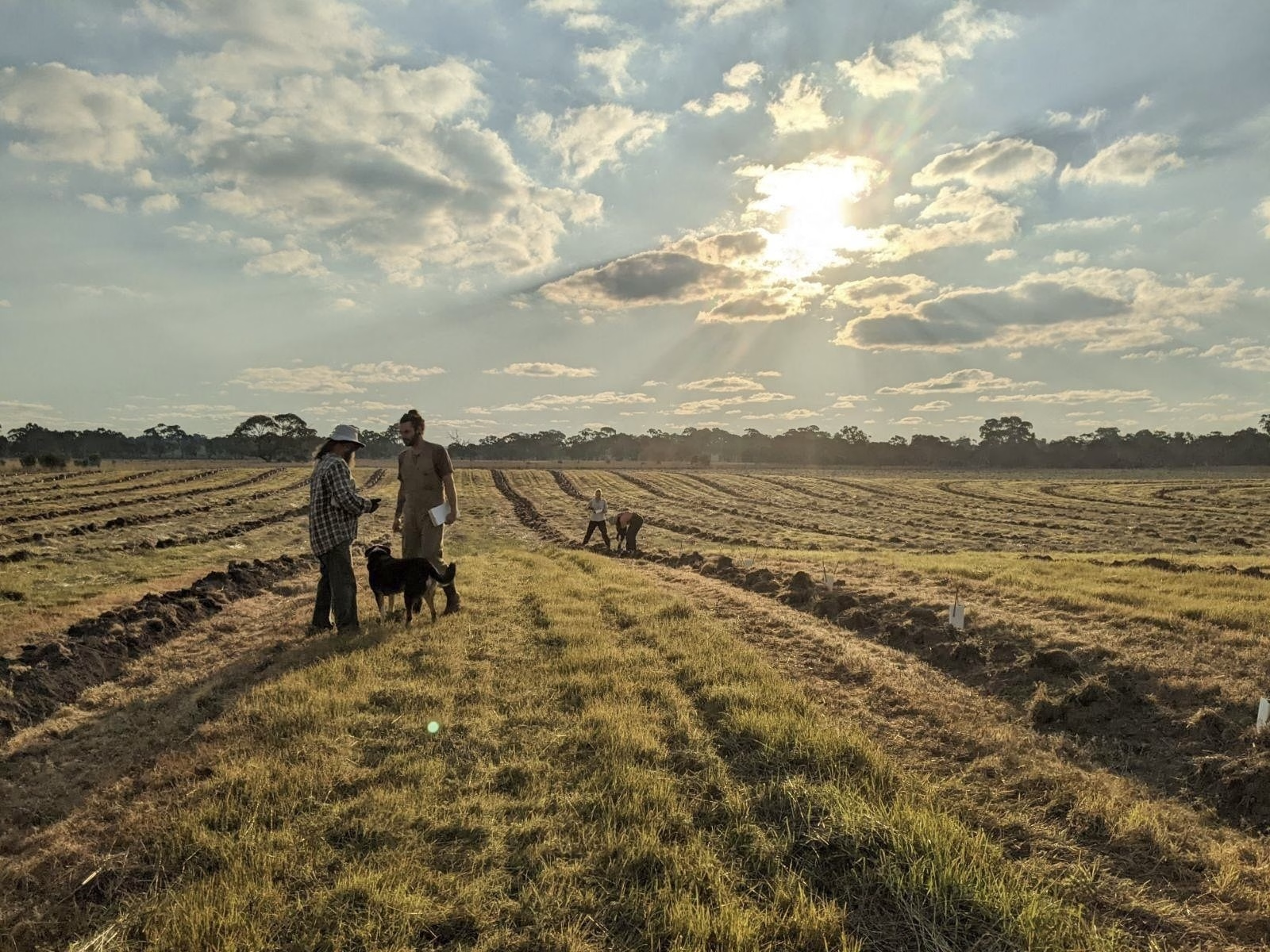
Grass Flat is a district in the Wimmera of Western Victoria and is home to some truly beautiful and unique Australian wildlife such as wallabies, kangaroos, echidnas, birds of prey, honeyeaters, Blue-wrens, reptiles, native bees and butterflies including the endangered Goldern-rayed Blue Butterfly). It is here that we planted 5,000 native trees, shrubs and grasses of which 1,162 were generously donated by Fast Times. This indigenous revegetation is being undertaken at this site by Natimuk Urban Landcare Group to restore habitat for local wildlife and pollinators.
Before actual planting could take place, land preparation activities took place. Rabbits were controlled, fences removed, replaced and/or repaired and introduced species of flora, i.e weeds (Tall Wheat Grass, Horehound) were removed with slashing, ripping lines and spraying. A massive task, before tree planting could start.
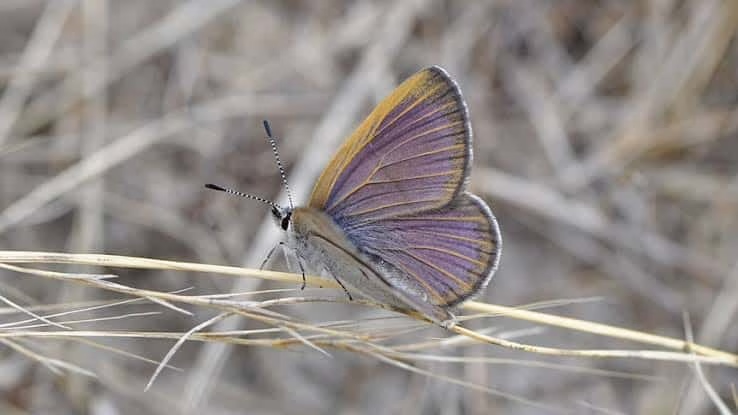
Golden-rayed Blue Butterfly. Image ABC.
These indigenous plants will also provide other ecosystem services such as slowing water flow to the fresh water and naturally saline wetland/lake system on the property, improving water quality and reducing topsoil loss. Plants will also serve as a future seed source of indigenous species for other revegetation projects.
Some of the indigenous plants that went into the ground included; wattles (Gold Dust, Mealy, Black, Golden and Nealie), Bulokes, Drooping Sheoaks, Silver Banksias, Scarlet Bottlebrushes, Giant Hop Bush and eucalyptus (Black Box, Yellow Gum, Kamarooka Mallee).
Dodges Ferry Primary School in Tasmania / Lutruwita planted the trees at 2 sites, with some trees going along the school loop track and some being planted at Flora Park which surrounds the Dodges Ferry Skate Park. The perfect home for Fast Times trees. The area around the loop track which the school planted out is a grassy area which adjoins wetlands and the coast. The area along the loop track is used by members of the community to walk along and exercise their dogs.
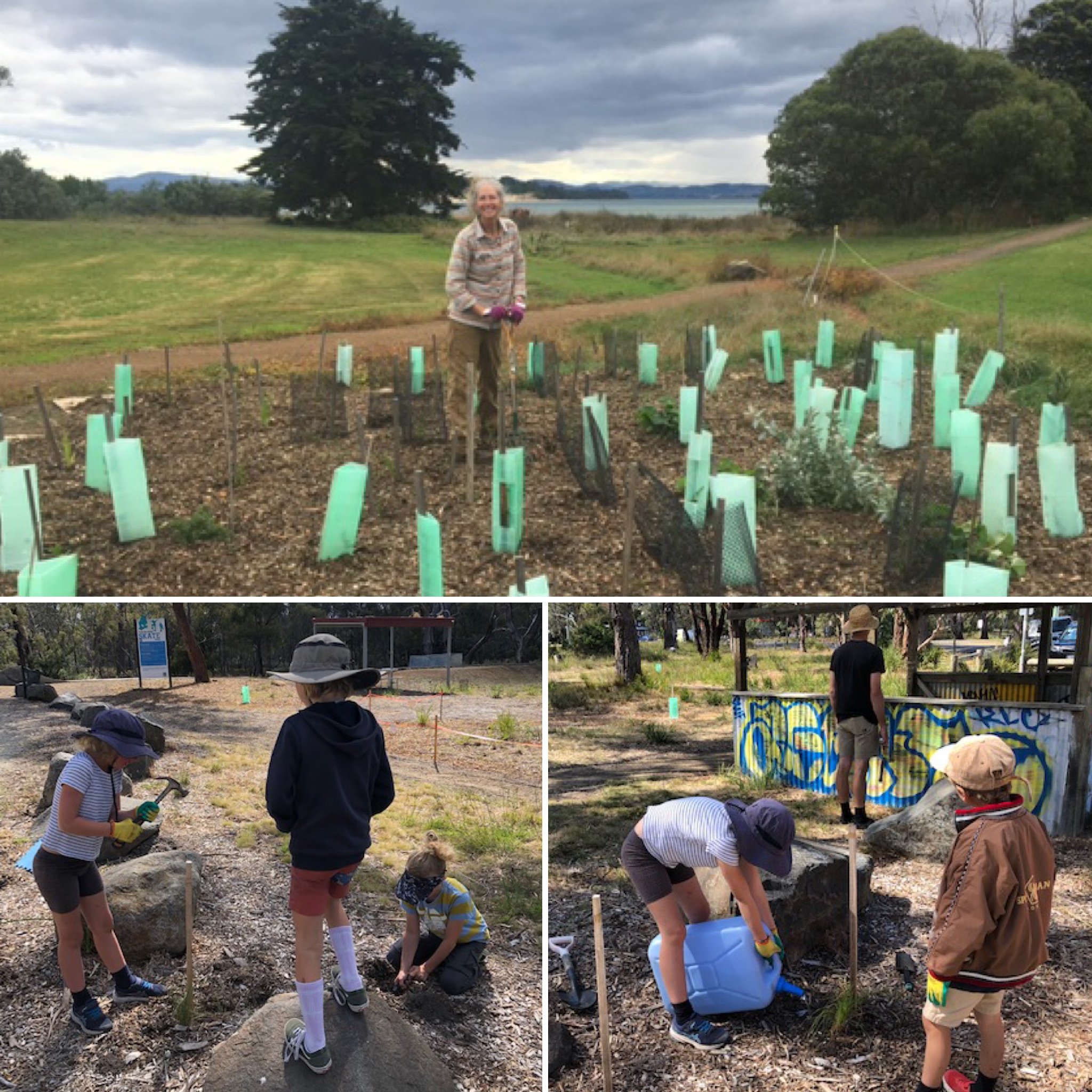
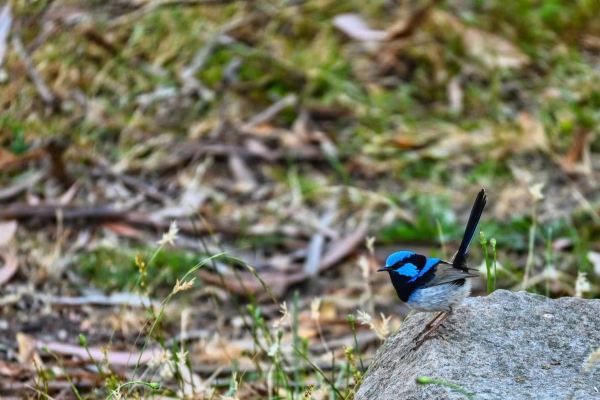
The Flora Park is open dry sclerophyll forest which is currently being managed by the landcare group who is revegetating and removing weeds from the area. The skate park is used by families and youth, and it also has a walking track through it. Lots of shore birds use the area, as well as parrots and little superb fairy wrens have started to come back in this area as a result of encouraging the flowering undergrowth to regrow.
The kids genuinely love this activity and feel like they are directly contributing to the betterment of the world through planting trees. Both groups were actively engaged in getting their hands dirty and the plants in the ground! Many thanks for your support.
Sonja Ralph | Environmental Teacher | Dodges Ferry Primary School
The site of the planting was on the Island in Mollison Creek at Pyalong (traditional land of the Taungurung and Wurundjeri Aboriginal people) by the Nulla Vale Landcare Group. Species consisted of a mixture of Red Gum, Swamp Gum, Grey Box, Manna Gum, Yellow Box and Black Wood.
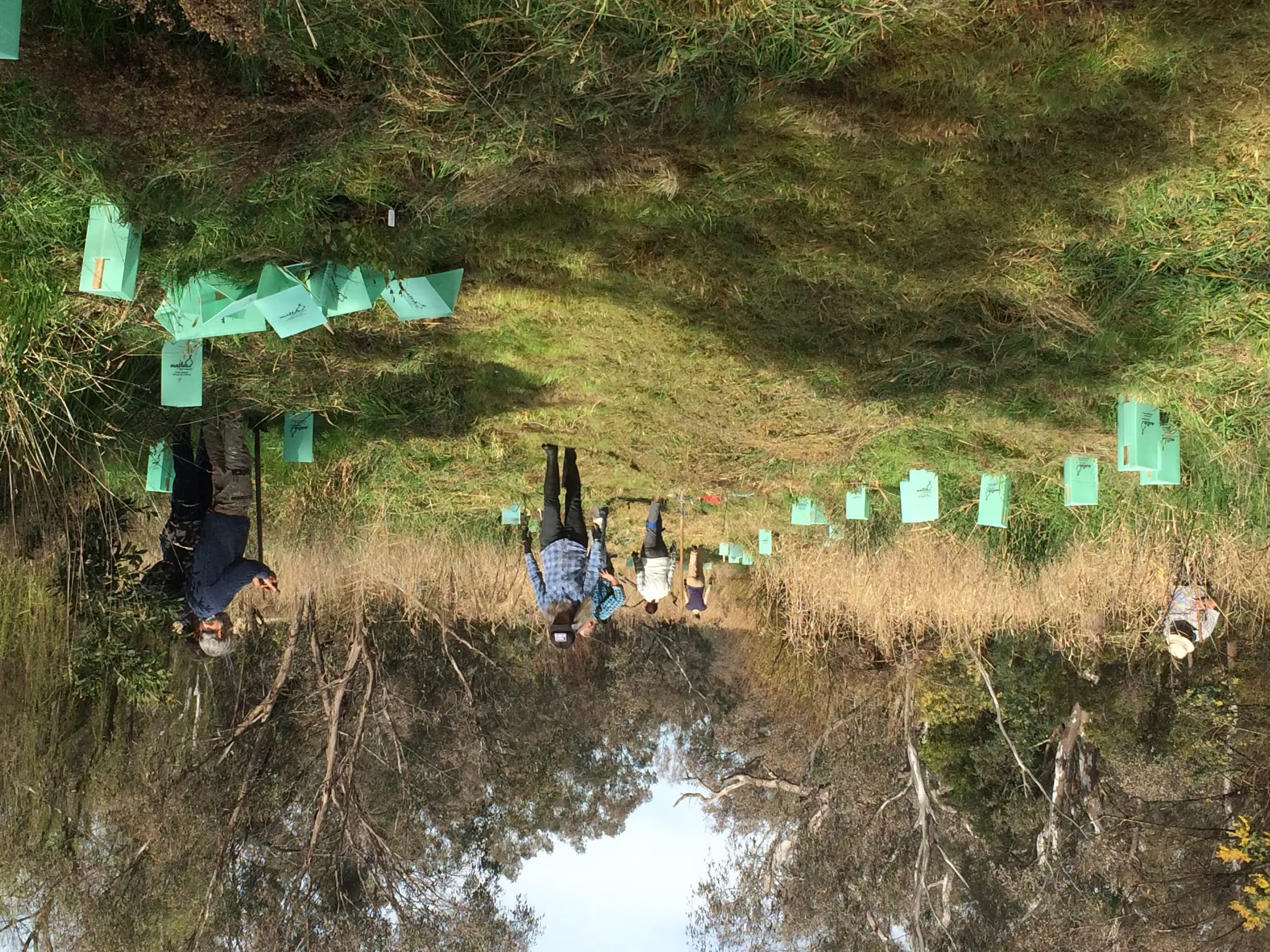
The Landcare group has engaged in a program of regenerating the area in and around the island in Mollison creek in Pyalong. The island had become overgrown with blackberries, gorse and thistles to the extent that it was inaccessible. Having removed the weeds, including blackberries up to two metres high, we have embarked on a native revegetation program in order to restore the island to its native condition. Ongoing weeding will be undertaken until the native vegetation has reached a mature state that will naturally reduce and control the weed invasion.
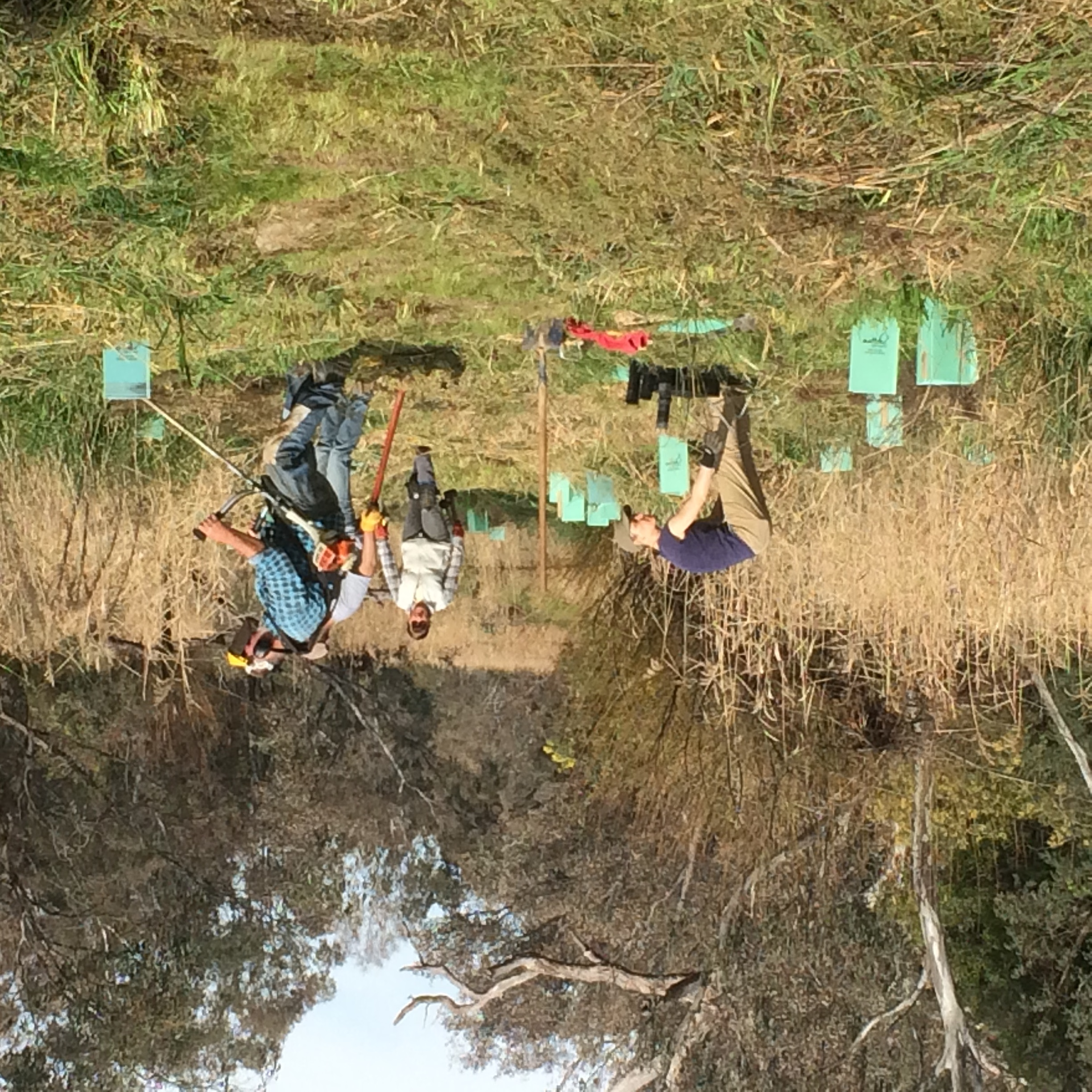
The creek and island is inhabited by a range of water birds including Ducks, Blue Cranes and water fowl. Most of the Central Victorian bird life inhabit the area including Cockatoos, Crimson Rosellas, Corellas and a number of Wrens.
We would like to thank Fifteen Trees and their supporters for contributing to our effort to begin the process of healing this spectacular piece of land. The trees provided will help to protect the few old trees that remain on this land, land that has been used for grazing for many years.
These trees are better preserved if they have an ecology of smaller supportive trees and bushes around them, along with some young replacement trees that will one day grow to a similar scale. A rich and diverse ecology around these old trees, helps bring back the wildlife and the insects that provide a far more protective environment.
We thank you for your interest and generosity.
James Legge | President | NV&PWLC
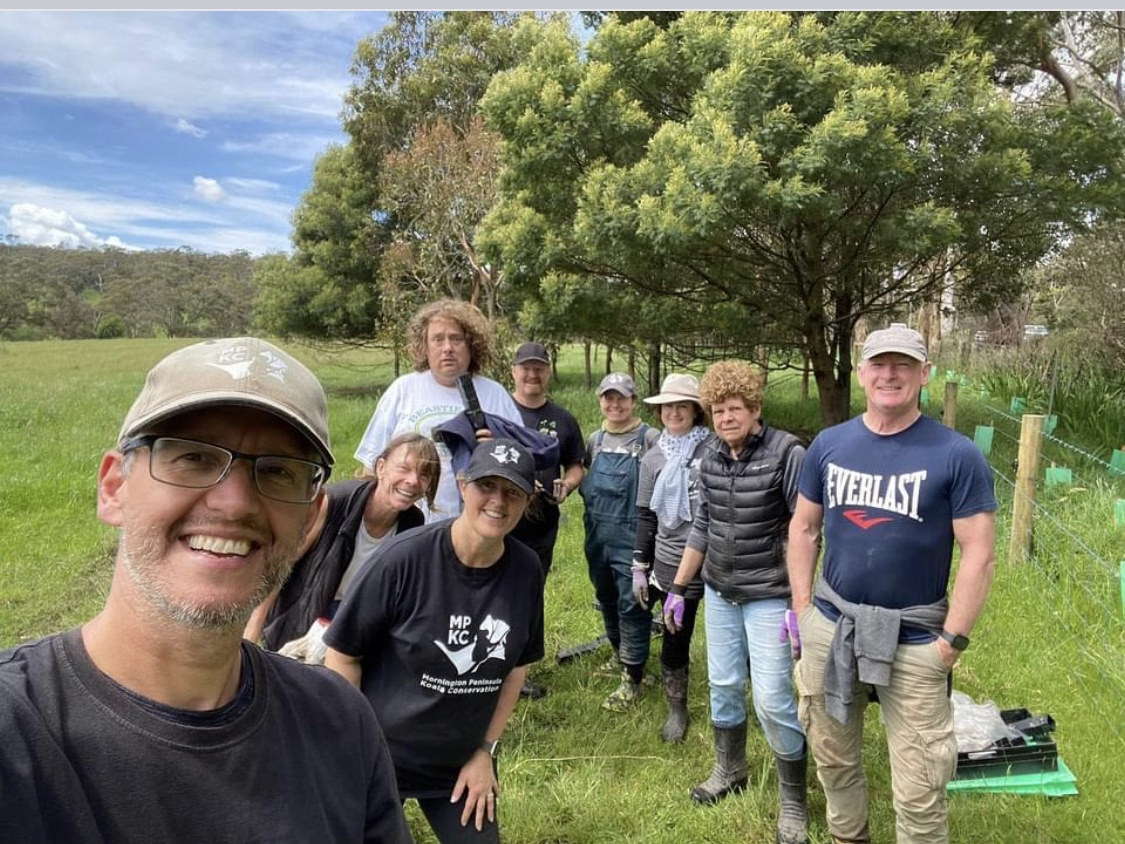
At the last site on the Mornington Peninsula, the traditional land of the Bunurong / Boon Wurrung people of the Kulin Nations, we planted another 1,000 trees with the Mornington Peninsula Koala Conservation (MPKC) as part of their Somers Koala Habitat Project (Coolart to Cerberus Biolink). This is a fabulous project to support. With over 70% of landholders confirming their intent to participate in this revegetation project, it is also backed by Mornington Peninsula Shire, Parks Victoria and the Department of Defence. And now with sponsors such as Fifteen Trees and Fast Times, this revegetation project has grown by leaps and bounds.
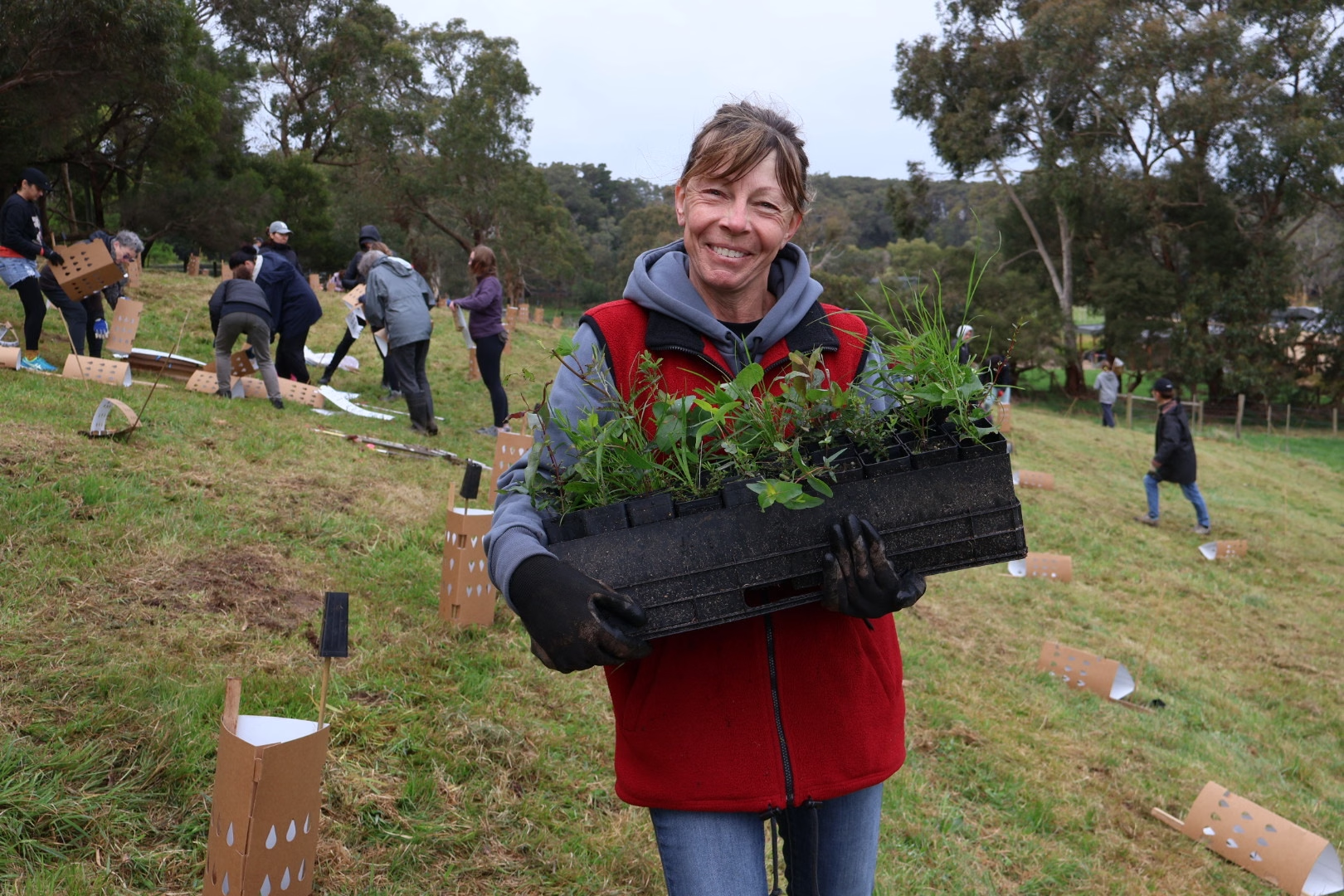
Here’s a few reasons why this project is so important:
Over the years Fast Times have admirably partnered with many charities to make a difference in their local communities, including bushfire and flood relief. As well as being very active with donations to Spinifex Skateboards, Starlight Foundation, Northern Rivers Community Gateway, and the Type 1 Foundation (supporting kids and their families recently diagnosed with diabetes). We are very thankful that they have added Fifteen Trees to their list of worthwhile organisations to support.
If you would like to know more about sponsoring community tree planting projects and how we can assist you in becoming a more sustainable business, please contact Colleen at <[email protected]>.
Writer – Lou Ridsdale
Lou a green thumb, Earth Lover, big-hearted nature freak, plus a savvy media and horticulture expert, who passionately believe that everyone can lead a more nourishing and sustainable life. Lou founded Food Is Free Inc., a unique grassroots food security platform specialising in food security education. She fell in love with trees after reading The Magic Faraway Tree as a child. You can find Lou here