This community-based organisation not only grows and sells locally indigenous plants, but they are also working passionately to transform Westgate Park into a natural, bush-like place, providing habitat for wildlife and a place for the people of Melbourne to enjoy.

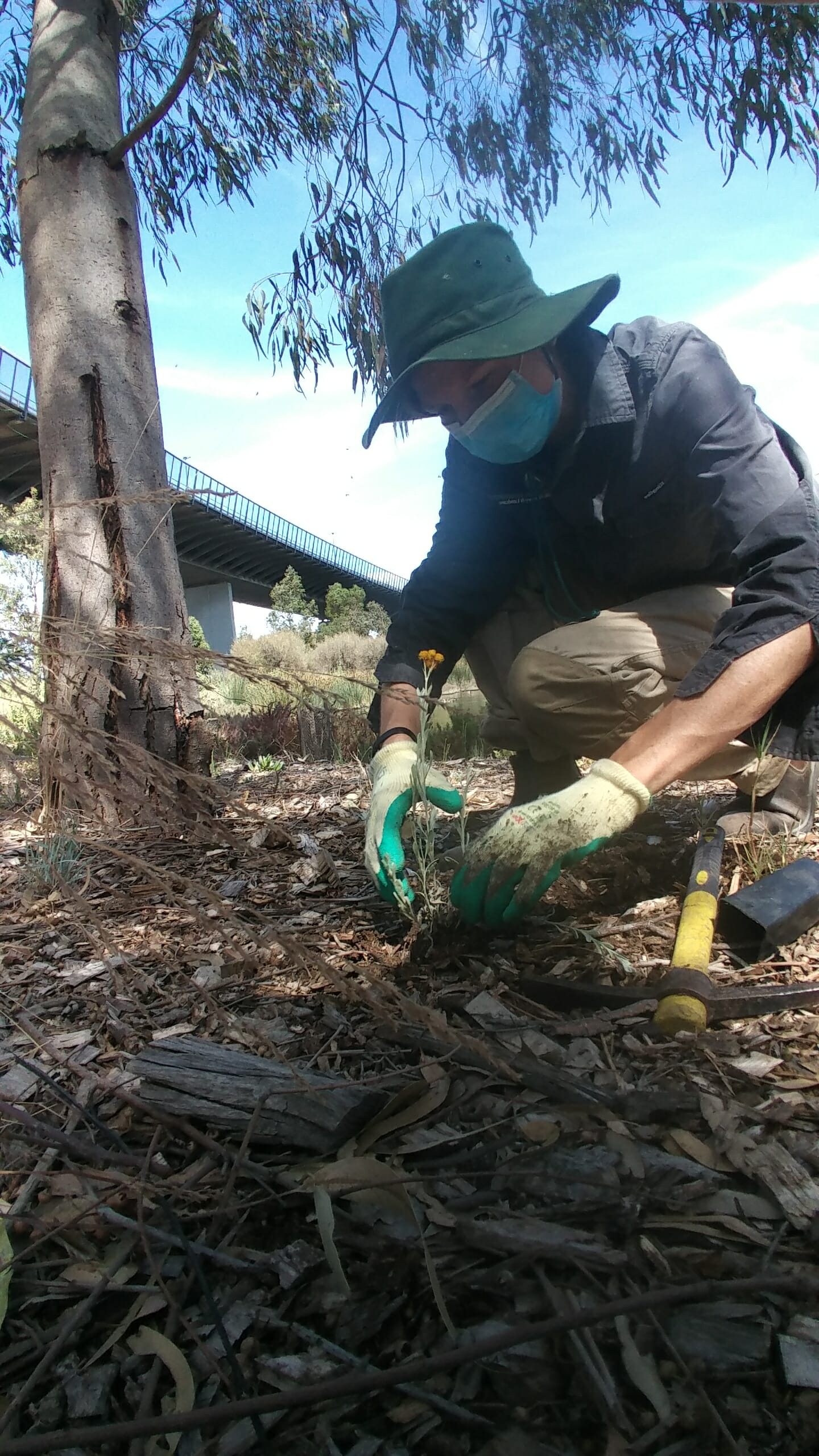
Park Volunteers were delighted to welcome a team of 17 from CGI’s Melbourne office for a tree planting morning. After a warm introduction to the Park, the group headed to a site in need of care and, within an hour, had completely cleared the hillside of weeds.
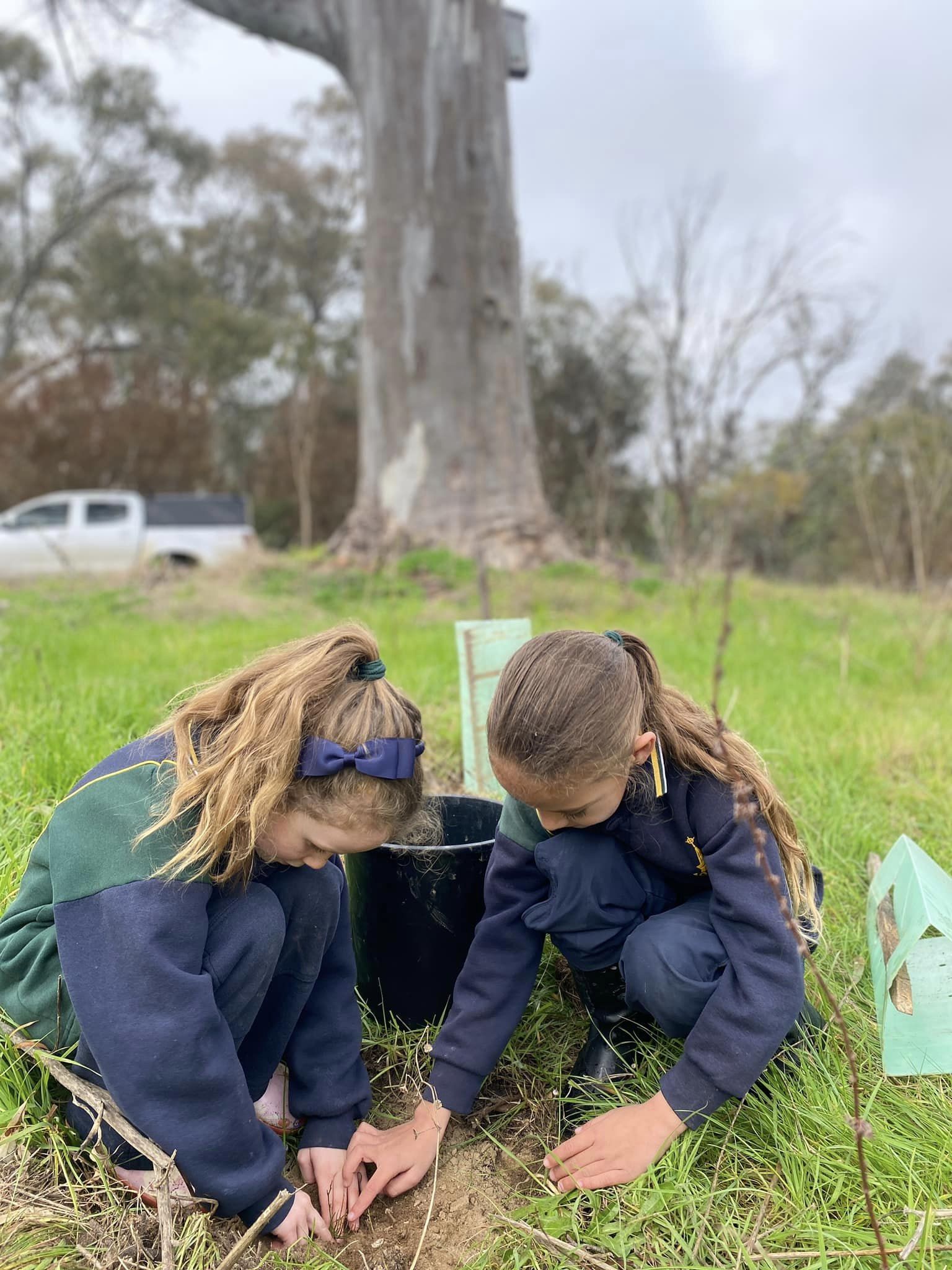
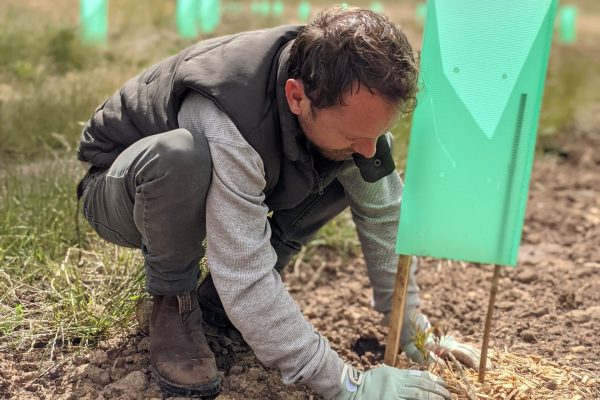
Morning tea was followed by a short walk to the planting site, where a demonstration showed the group how to plant correctly. With great teamwork and enthusiasm, the volunteers planted 200 trees, shrubs and grasses, leaving the Park greener, healthier, and better for the community.
A variety of native species of trees and shrubs were planted at the site. Species include native plants such as:

The diversity of plants being established will provide a wide variety of food sources for native wildlife, as these species will flower and fruit at different times throughout the year.
Link to short film – Planting with CGI at Westgate Park, VIC.
Hunter Region Landcare Network (Hunter Rainforest Revival Project) recently planted out 150 native trees to help reinstate patches of connected native vegetation. Prior to colonisation a significant portion of the Maitland City Council area was covered in Dry Rainforest species, of which the lowland sections have been almost completely cleared over the course of the past 200 years. This project will reconnect Maitland to a broad biodiversity network and accelerate biodiversity with rainforests.

Some of the species planted included wattles (Green and Maiden), Bottlebrushes, River Oak, Eucalyptus (River Red Gum, Forest Red Gum), Lilly Pilly, Native Frangipanni, Tea Trees, Paperbarks (Flax-leaved, Broad-leaved), Bush Cherry and Pittosporums (Yellow and Sweet).

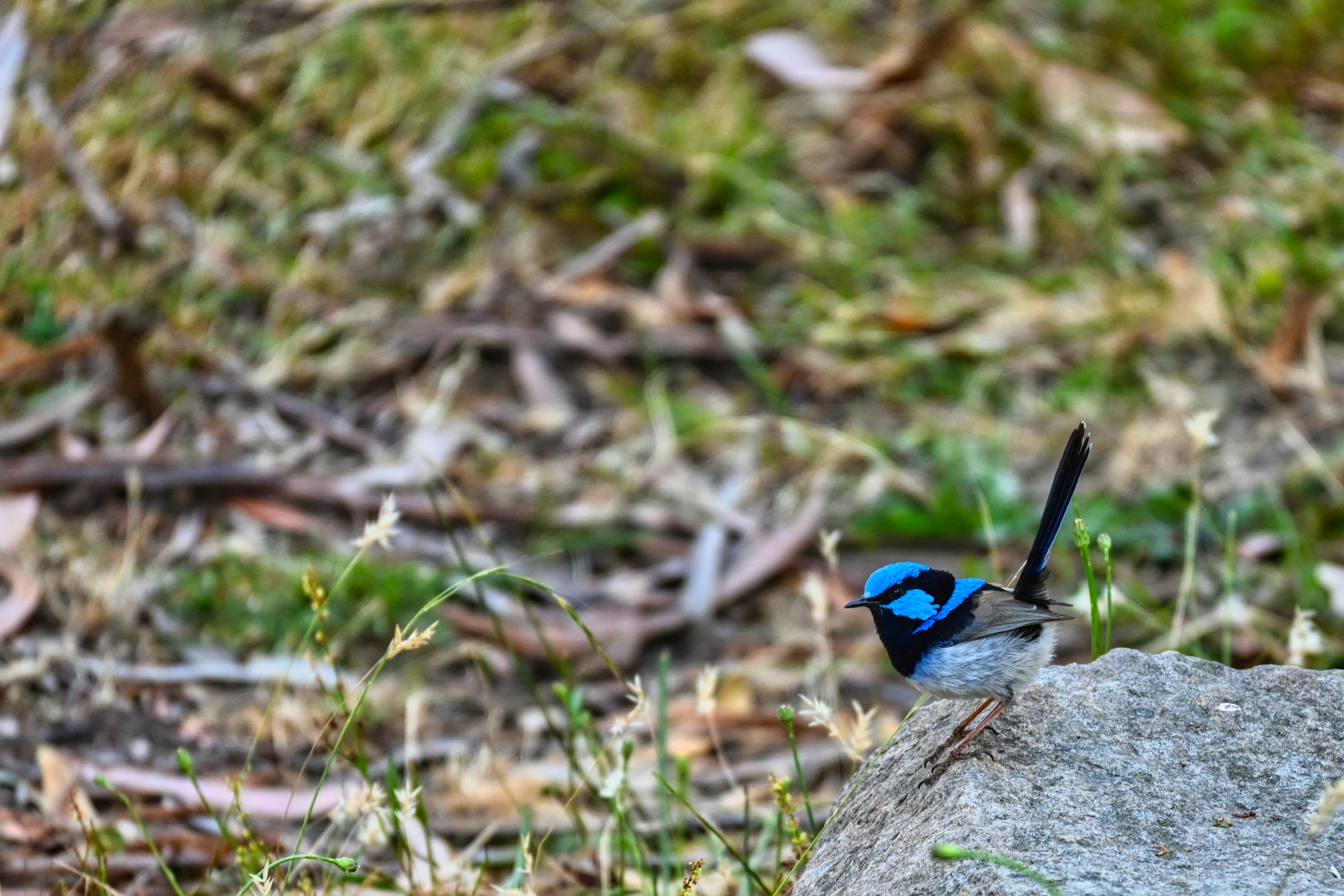
Many species of native birds utilise the Dry Rainforest remnants including the Regent Bowerbird (our mascot), Wompoo fruit dove, pigeons, honeyeaters and small birds.
Thanks to sponsors of Fifteen Trees for their generous support of our project which allowed us to purchase 500 locally indigenous tube-stock for this important rainforest revegetation patch. The community enjoyed working together to achieve a wonderful result.
Stacy Mail | Coordinator | Lower Hunter Landcare
Daintree Life in conjunction with local community volunteers planted these trees at Newell QLD which is also known as Nulu Country. It is part of a bigger restoration project called The Bells Road Project.

Daintree Life planted a large variety of indigenous tree species specific to the area with approximately 70 mixed species including figs, Eucalypts, Melaleucas, Acacias and other species such as Red Cedar, Brown Silky Oak, Brown Pine, Golden Penda to name a few.
The land was unsuitable for farmland and due to an overburden of weeds has also not been of benefit for wildlife either. But by replacing the weeds with forest, it will now provide both habitat and food.

This planting site is in the Lower Daintree rainforest area of Tropical Far North Queensland with a waterway which feeds directly to the Great Barrier Reef. The site where the revegetation work is being conducted is part of a large farm area which was previously cleared for cane and cattle farming; however, the area is very low lying and is not suitable for hooved animal farming. The landowners have chosen to return this area of the property back to authentic rainforest, complete with State Government protection, which has been included to the title deeds of the property ensuring protection for perpetuity.
Numerous bird species have been observed and are taking advantage of the revegetation. These species include, but are not limited to: Yellow-bellied Sunbirds, Greater Egrets, Willie wagtails, Rainbow Bee-eaters, multiple species of Kingfishers and Masked Lapwings. Graceful tree frogs and Rocket frogs are regularly sighted within the planting areas. There is lots of evidence of Bandicoot diggings between trees and on the edges. A Water Python has been sighted in the revegetation area. Numerous species of butterflies and dragonflies have been observed within the area. In the future as trees attain additional height and begin flowering and fruiting, the entire area will provide a valuable food resource for Spectacled Flying-foxes which are a federally listed endangered species.
We are eternally grateful to Fifteen Trees and their sponsors who continue to support our work. Without this ongoing support we cannot continue to do what we do in revegetation, expanding habitat and improving the environment of our unique area and supporting our local wildlife.
Connie Pinson | Partner and Founder | Daintree Life
CGI has partnered with Fifteen Trees this year to plant 500 trees as part of the Westgate biodiversity project. The plan was to let the employees get down and dirty with the seedlings, part of CGI’s culture of encouraging sustainable thinking across its operations. Unfortunately, for Covid reasons, this wasn’t possible. Instead, Westgate Park volunteers made sure the trees were bedded down securely over the winter and just last week got out to plant the trees.

CGI also covered the cost of tree guards for all its trees, which was a huge help. Establishing young trees takes more than leaning on a shovel and crossing your fingers. To weather their first summer, seedlings usually need tree guards. The staked plastic sleeves provide protection from grazing wildlife, harsh winds, and more. The microclimate created by the plastic gives the seedling the best possible opportunity to establish a strong tap root, which exponentially increases their chances of long-term survival.
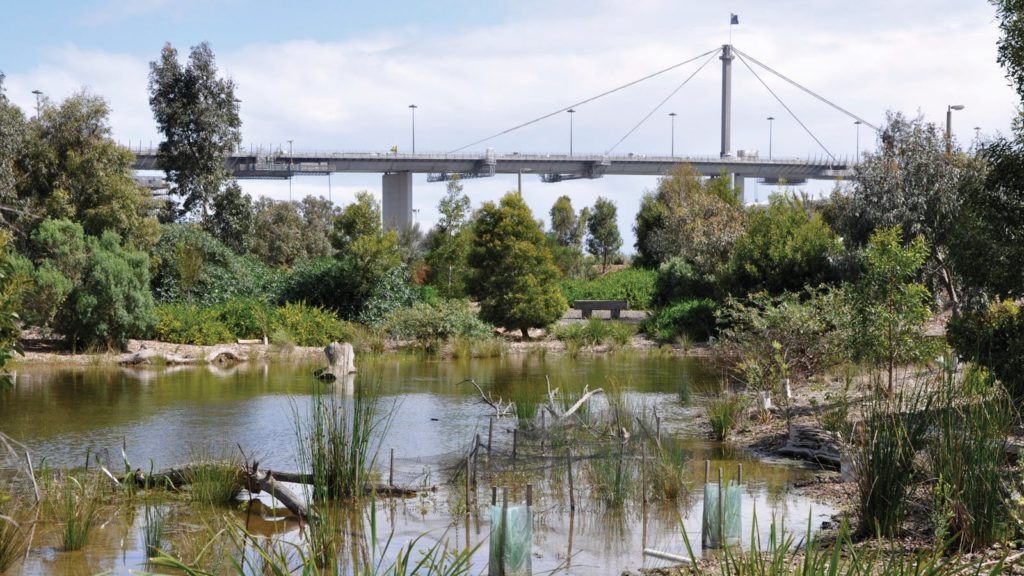
Westgate Bio has been planting adjacent to the Westgate Bridge, in one of the only salt lakes left in inner urban Melbourne. The site, less than 1.5 kms from the CBD, was formerly a testing site for bomber aircraft in WW2, then a quarry, then a construction zone for the bridge, and now one of the best examples of revegetation in inner Melbourne.We’ve been planting the area as a mixture of salt marsh vegetation, transitioning into open coastal forest – with dominant species of Eucalyptus, salt bush, Duma and Samphire.Thank you to CGI and Fifteen Trees for your support of our planting projects this year.Nic Brinkley | Manager | Westgate Biodiversity
In 2020, for the third consecutive year, CGI was awarded an EcoVadis Gold rating for corporate social responsibility, including for leadership in environmental stewardship. The planet desperately needs global companies to step up when it comes to the environment.
Writer – Sarah Hart.
Sarah is an artist whose passions include the stories and experiences of women and narrative driven creative work. Her aim is to delight, to reveal glimpses of everyday beauty, and to celebrate flights of the ordinary. Sarah works across a range of media, with an abiding interest in pen and ink, mixed media and the human form. You can find Sarah here.