
Trees for individuals are adding up as kind-hearted souls are purchasing trees for us to plant on their behalf. Trees to cover their flights, trees to cover their cars and trees as birthday gifts and in memory of a loved one.
Trees planted in loving memory.
- Heart felt sympathy to Samantha McIntosh and family on the loss of husband and father Greg McIntosh. These trees are planted in fond memory of Greg. A kind and gentle man. (15 trees).
- We have planted one tree for every month little Jai was with her parents Ciara and Beau. Heartbroken for this beautiful young couple and their loving family. (9 trees).
- For Lisa Michelle Falla (1980-2026) we have planted one tree for every year she was with us. Love and sympathy to David, Finn and Archer and family. (46 trees).
Mother’s Day Trees.
- Cait Larcombe for Amanda.
- Bronwyn Blaiklock for Mary
- Louise Frances for Rhelma
‘Out on a Limb’ Trees.
- Robert Kozlovski, Louise O’Gorman, Brian Regan, Lesley Barrett, Jen Askham, Marlie Grant and Louise Frances. ‘To those who ‘answered the call to action’ in our weekly e-newsletter ‘Out on a Limb’ and purchased trees forEarth Day. Scroll down, your trees were planted in TAS/Lutruwita Site B’. Colleen (40 trees).
Thank you to those who purchased 1 tree.
- Teesta Chattoraj. ‘We would love to sponsor this tree as a couple beginning a new chapter together. It means a lot to us know it is growing alongside our journey.’
Thank you to those who purchased 2 trees.
- Ben Brien. ‘Happy Graduation Lily. You are such an amazing person and I am so proud of you. The care you have for nature, the environment and for animals is so wonderful and I love you for it. I hope these two trees (one for each of us) are a nice gift for you long years of Environmental Science studies’. Love Ben. xx
Thank you to those who purchased 4 trees.
- Alexander Pritchard.
Thank you to those who purchased 5 trees.
- Llewellyn Wishart. Trees to cover 5 hours of flying (1 tree per hour in the air will cover your flight’s emissions). ‘Here’s to 5 trees planted. The gift that keeps on giving’.
- Ernie Press. ‘For sweet Ernie on his 1st Birthday. These trees will grow as you do. We know that you will live to protect and respect everything and everyone, just as your parents do. Love forever’. Miriam and Fred.
- Bronwyn Blaiklock. For her flights to Alice Springs.
- Sue Broadway. ‘Congrats on your Australian Citizenship Nawal.’
- Lena Mazza. ‘To help offset a friends flight to Europe to share the experience of sustainable living.‘
- Kylie Lewis. ‘Thank you for doing this brilliant work. Grateful for you‘.
Thank you to those who purchased 10 trees.
- Liana Tran. ‘For world peace, universal healing and liberation of all sentient beings!
- Robert Young. ‘The trees have been purchased as a git to our daughter Rachel Young on her birthday.’
Thank you to those who purchased 12 trees.
- August Baer. Happy 1st Birthday Augie. Apologies it’s a bit late, but we think we nailed getting around Mum and Dad’s ‘no present rule’ and this one you can keep for a looooong time. Lots of love’. Dudy and Trudi.
Thank you to those who purchased 15 trees.
- Helen Winter. ‘Fifteen trees to celebrate the birth of my great nephew. Hugh Derek Kamphius. Born December 24th 2025. Lots of love’. Aunty Helen.
- Sol Minh Tue Mai.
- Elissa Goodrich.
- Richarda in memory of her father.
- Nicole Santilli.
- Alexandra Heath.
- Colleen Filippa. ‘These trees have been planted for my dear amiga Nancy Mieklejohn, in celebration of her becoming an Australian citizen. She now has to travel to the far north to visit them!’
- Shannon Haintz. These trees will reduce Shannon’s car’s carbon footprint for 12 months.
- Beverly McGain.
Thank you to those who purchased 20+ trees.
- Jenny Steer (20 trees)
- Jessica Wilson (22 trees). ‘Thank you Fifteen Trees for helping me reduce the carbon of my travel and for being the people who actually get the trees into the ground‘.
Thank you to those who purchased 30+ trees.
- Sr Julia Williams. St Brigidine Community (30 trees)
Thank you to those who purchased 50+ trees.
- Helen Pritchard (51 trees)
Over the course of the year, we will be updating this blog as more people purchase trees and more trees are planted. Interested in contributing? You can purchase trees here.
Site A | Daintree Rainforest, QLD | 340 trees
Daintree Life in conjunction with local community volunteers and school students planted the trees at Newell, QLD (Nulu Country). The site was previously overrun with weeds. By replacing these invasive plants with native forest, the land will once again provide habitat for the rich diversity of wildlife that calls the Daintree Rainforest home. The planting included a wide range of indigenous tree species, including figs, eucalypts, melaleucas, acacias, red cedar, brown silky oak, brown pine and golden penda.

Located in the Lower Daintree Rainforest of Tropical Far North Queensland, the site contains a waterway that feeds directly into the Great Barrier Reef. The revegetation area was part of a large farm that was historically cleared for cane and cattle farming; however, the land was low-lying and unsuitable for hooved animals. The landowners have chosen to return this section of the property to authentic rainforest, with permanent State Government protection now included on the title deeds, ensuring conservation in perpetuity.
We are eternally grateful to Fifteen Trees and their sponsors for supporting our revegetation work. Without this ongoing support, we cannot continue to do what we do – expanding habitat and improving the environment and supporting our unique local wildlife.
Connie Pinson | Partner and Founder | Daintree Life
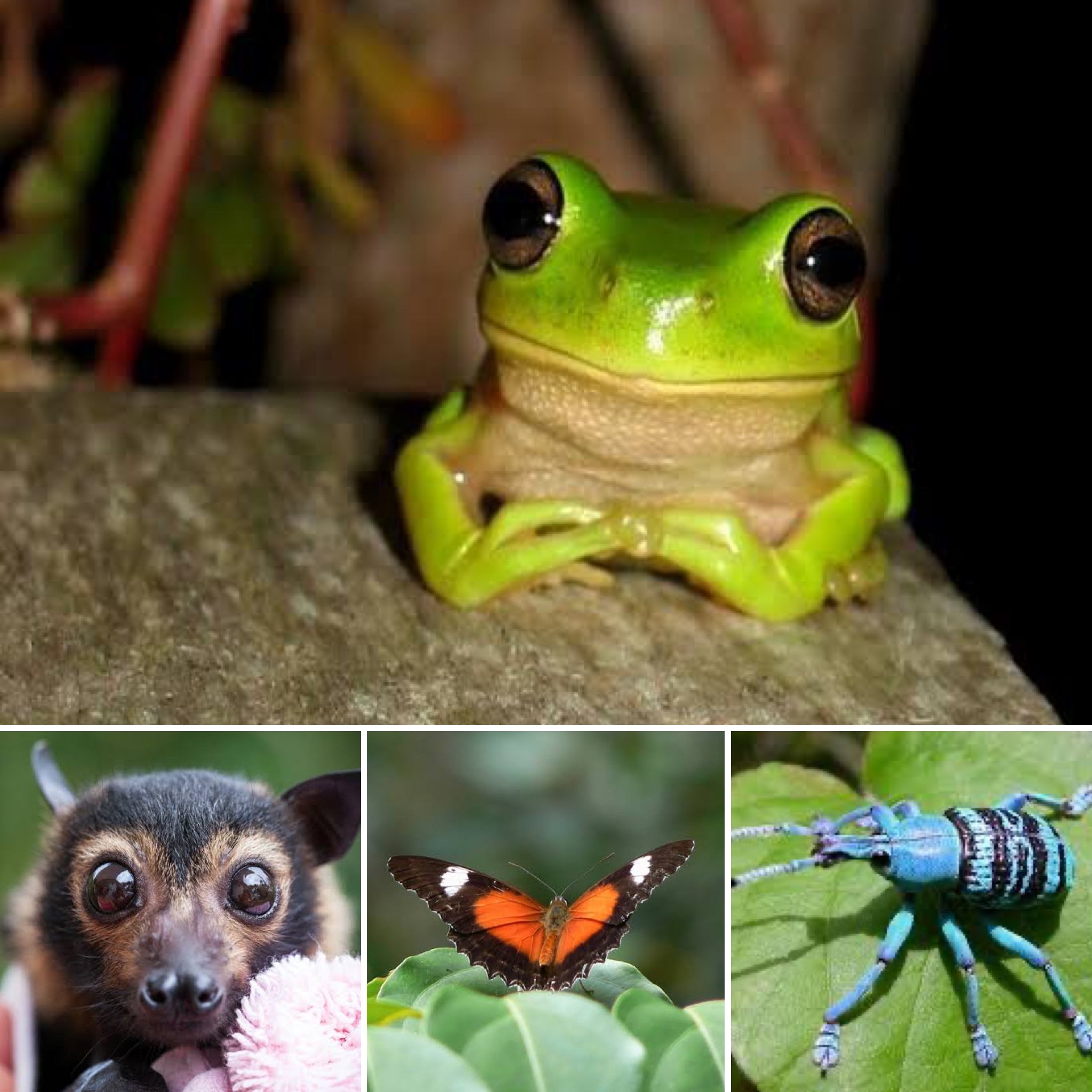
Numerous bird species have been observed and taking advantage of the revegetation. These species include, but are not limited to: Yellow-bellied Sunbirds, Greater Egrets, Willie wagtails, Rainbow Bee-eaters, multiple species of Kingfishers and Masked Lapwings. Graceful tree frogs and Rocket frogs are regularly sighted within the planting areas. There is lots of evidence of Bandicoot diggings between trees and on the edges. A Water Python has been sighted in the revegetation area. Numerous species of butterflies and dragonflies have been observed within the area. In the future as trees attain additional height and begin flowering and fruiting, the entire area will provide a valuable food resource for Spectacled Flying-foxes which are a federally listed endangered species.
Site B | Tunbridge, TAS/Liturwita | 40 trees
The Tasmanian Midlands (Tyerrernotepanner Country) is one of Australia’s most significant biodiversity hotspots, a landscape of temperate native grasslands and grassy woodlands that have become increasingly rare across the country. For thousands of years, palawa/pakana people managed this country through seasonal movement and cultural burning. European settlement from the early 1800s transformed much of it into grazing land, making the Midlands one of Tasmania’s oldest agricultural regions. Today, the work of restoring what was lost is being taken up by a new generation of custodians, including farmers, conservationists, students and volunteers who believe that productive agriculture and biodiversity can genuinely work side by side.

The species planted reflect the ecological diversity of the Midlands and they included; eucalypts, wattles, Dolly Bush, Hop Bush, Black Peppermint, Cabbage Gum, Hakea, Tea Tree and Bottlebrush. In a landscape characterised by native temperate grasslands dominated by Kangaroo Grass and Wallaby Grass, and grassy woodlands of White Gum, Black Gum and Black Peppermint, these plantings will help restore the layered habitat structure that local wildlife depends on.
Tree planting is about far more than restoring the landscape, it’s about bringing people together to care for the places we all value. Thank you for your generous support for the farmers, students, volunteers and conservation partners who are helping create healthier habitat for Tasmania’s unique wildlife while inspiring the next generation of environmental stewards.
Your contribution will leave a legacy that will grow for decades to come.
Nel Smit | President | Nipaluna Community Nursery
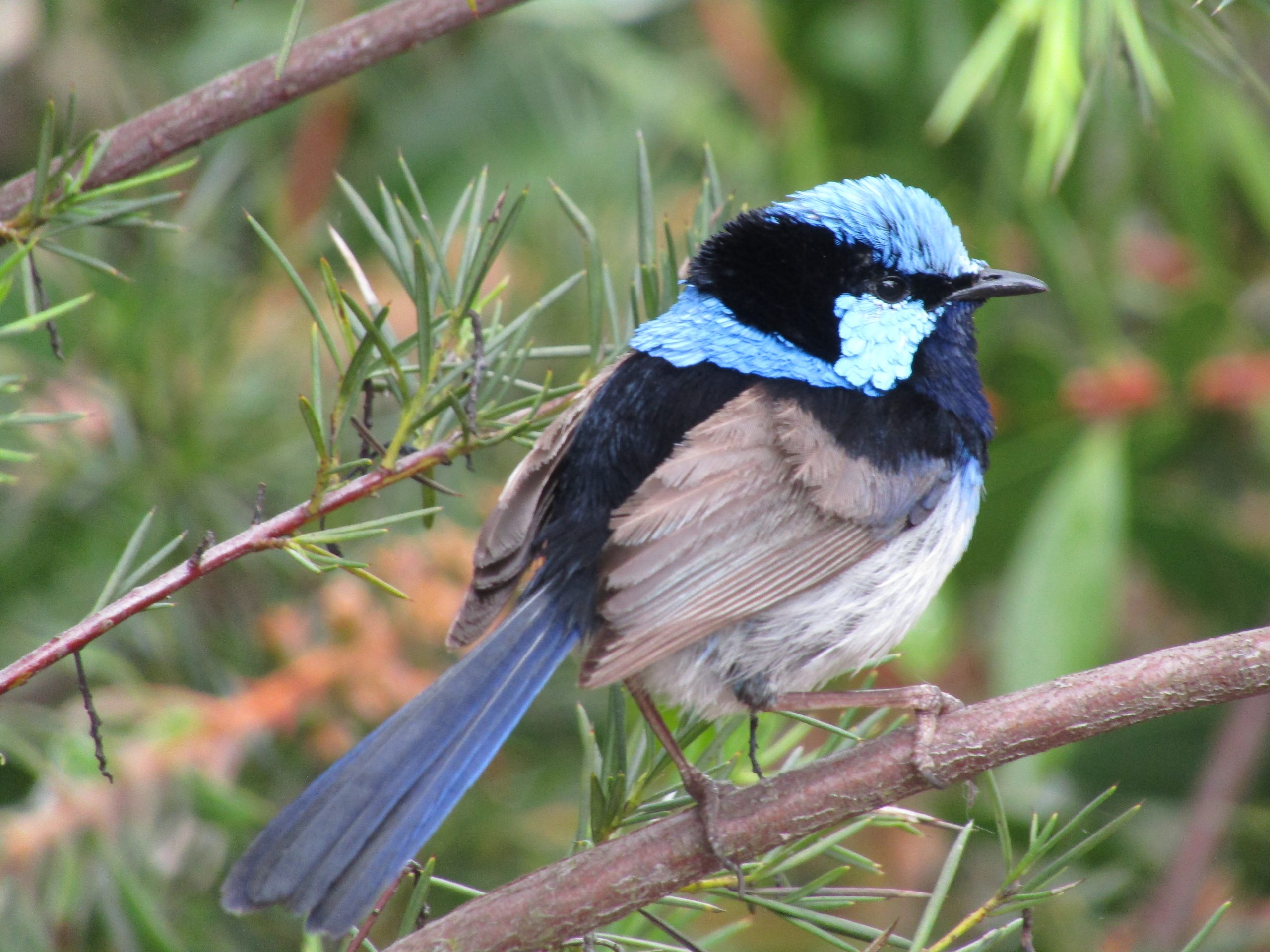
Tasmania is known for its wildlife. And the wildlife here is extraordinary. This is Tasmania, after all. Bennett’s wallabies and Tasmanian pademelons move through the property. Common wombats and echidnas are regular visitors. The Eastern Quoll (endangered and all but gone from mainland Australia) still survives in parts of Tasmania, including here. And the Tasmanian Devil, is still found across much of the island, including the Midlands. The new plantings will provide food, shelter and nesting sites for all of these animals, as well as for the woodland and grassland birds that depend on this ecosystem such as the Superb Fairy-wrens, Grey Fantails, Yellow-rumped Thornbills and Grey Shrike-thrushes.
Together, as individuals, we can make significant change. Think of people like Greta Thunberg, who went from a lone figure protesting on the steps of her parliament to the symbolic leader of a worldwide youth climate movement. Think of the social justice marches of the past few years, those rivers of people taking over our streets and calling for change. All individuals. All making a difference.
Never believe that a few caring people can’t change the world. For, indeed, that’s all who ever have.
Margaret Mead | Cultural Anthropologist
We see it very clearly here are Fifteen Trees. We have hundreds of individuals who purchase small numbers of trees, because that’s what they can do right now. But those small numbers add up! Thousands of trees have been planted thanks to small personal gestures of generosity and forward-thinking. First a rustle, then a roar, and finally a forest.
This is the power of acting individually and working collectively. If you think you can’t make an impact, we’re here to tell you that you can. Because it’s never just you. It’s all of us, and we’re facing these challenges together.
Would you like to add to our tree tally for 2026? You can purchase trees here.
Writer: Colleen B. Filippa

With a background in Environmental Science, Colleen is the Founding Director of Fifteen Trees. In 2009, after 20 years in primary, secondary and tertiary education institutions, Colleen left the classroom to start the company. Fifteen Trees is a social enterprise assisting individuals and companies to reduce their carbon footprint by supporting community groups such as Landcare, schools and environmental networks.


