As the school year comes to an end, Keitha Theodore, Environmental Science teacher at Ballarat Grammar, has chosen a farewell gift that’s both meaningful and lasting – a native tree planted for each of her 2026 Unit 3 and 4 Environmental Science students.
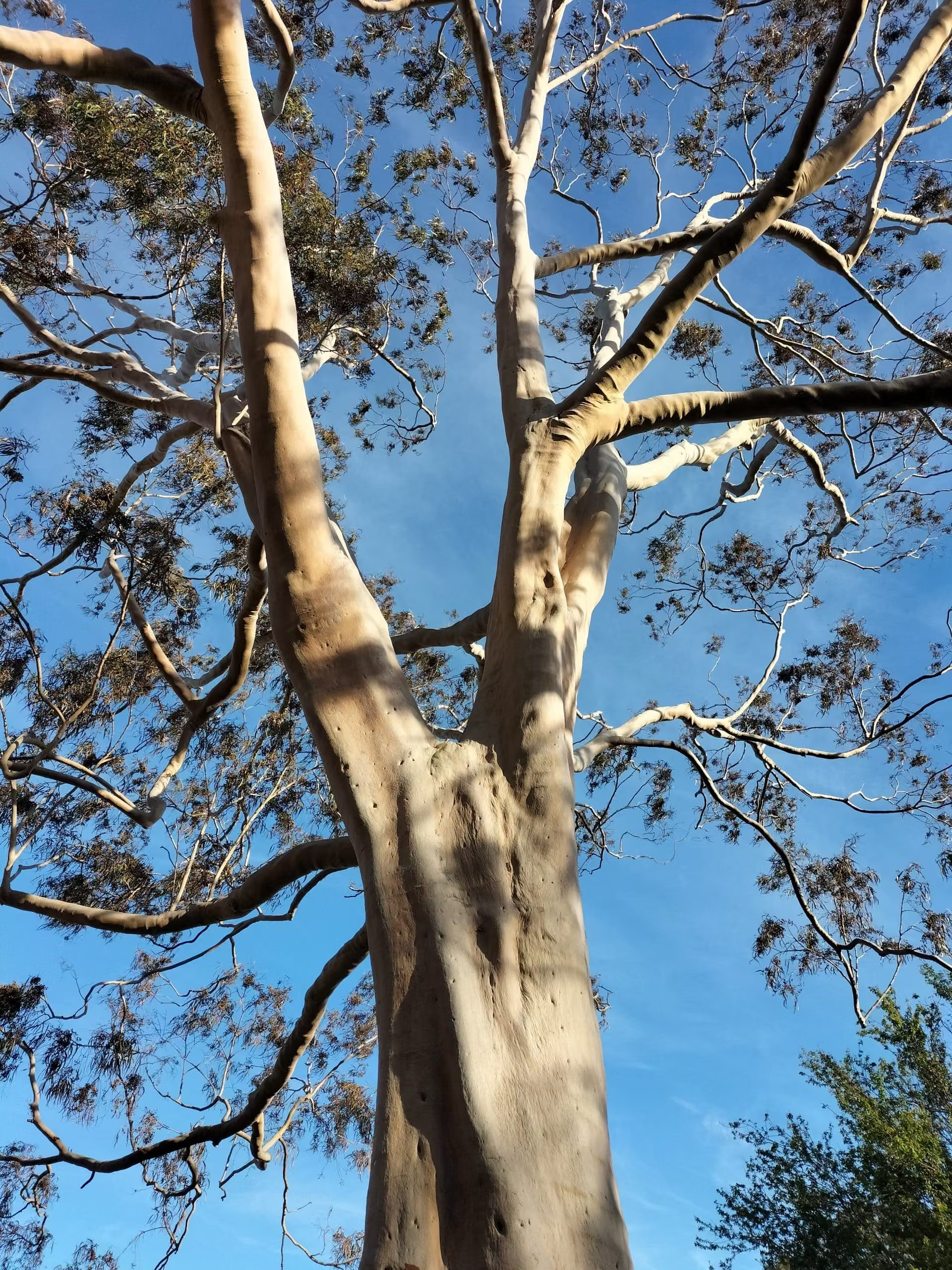
To my dear 2026 Unit 3 and 4 Environmental Science class, may you always look up at the magnificence of a giant tree. This is a picture (below) of my favourite tree on campus, a Lemon Scented Gum (spp. Corymbia citriodor), and even though it isn’t endemic to our area, it thrives. I love the scent that it gives off on a warm, humid day after a rain shower. I admire the ‘wrinkles’ in its branches as they have grown towards the sun. And I’m in awe and wonder knowing that it will be here for many years after I have left Mother Earth. So, my wish for you is to find that tree that ‘wows’ you and take care of it, nurture it, admire it and protect it. Go well and live well.
Ms T | EnviSci Teacher | Ballarat Grammar
In total, 20 trees have been planted to mark the end of a chapter and the beginning of many new ones. The gesture is a beautiful way to wish her students well as they step beyond the classroom, taking with them the lessons learned about caring for the planet.
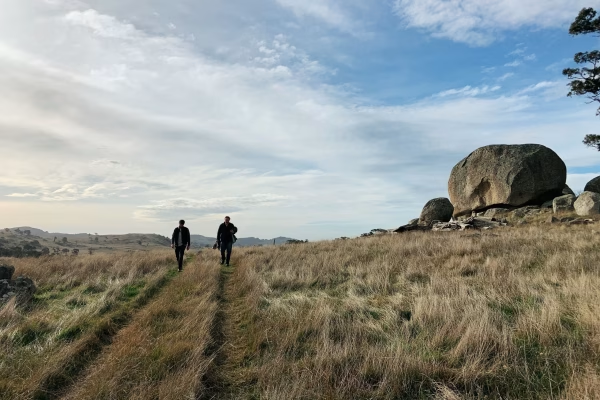
The trees were planted in the heart of Wadawurrung Country in Central Victoria, between Union Jack Creek and Yarmlok Plain. The landscape at Scotchmans Lead Reserve in Napoleons is telling a story of recovery from decades of gold mining and neglect. The Napoleons and Enfield Landcare Group has been working this ground for years, patiently restoring the riparian zone – the strip of native vegetation that line our creeks, rivers and wetlands, and are among the most ecologically vital habitat in the country.
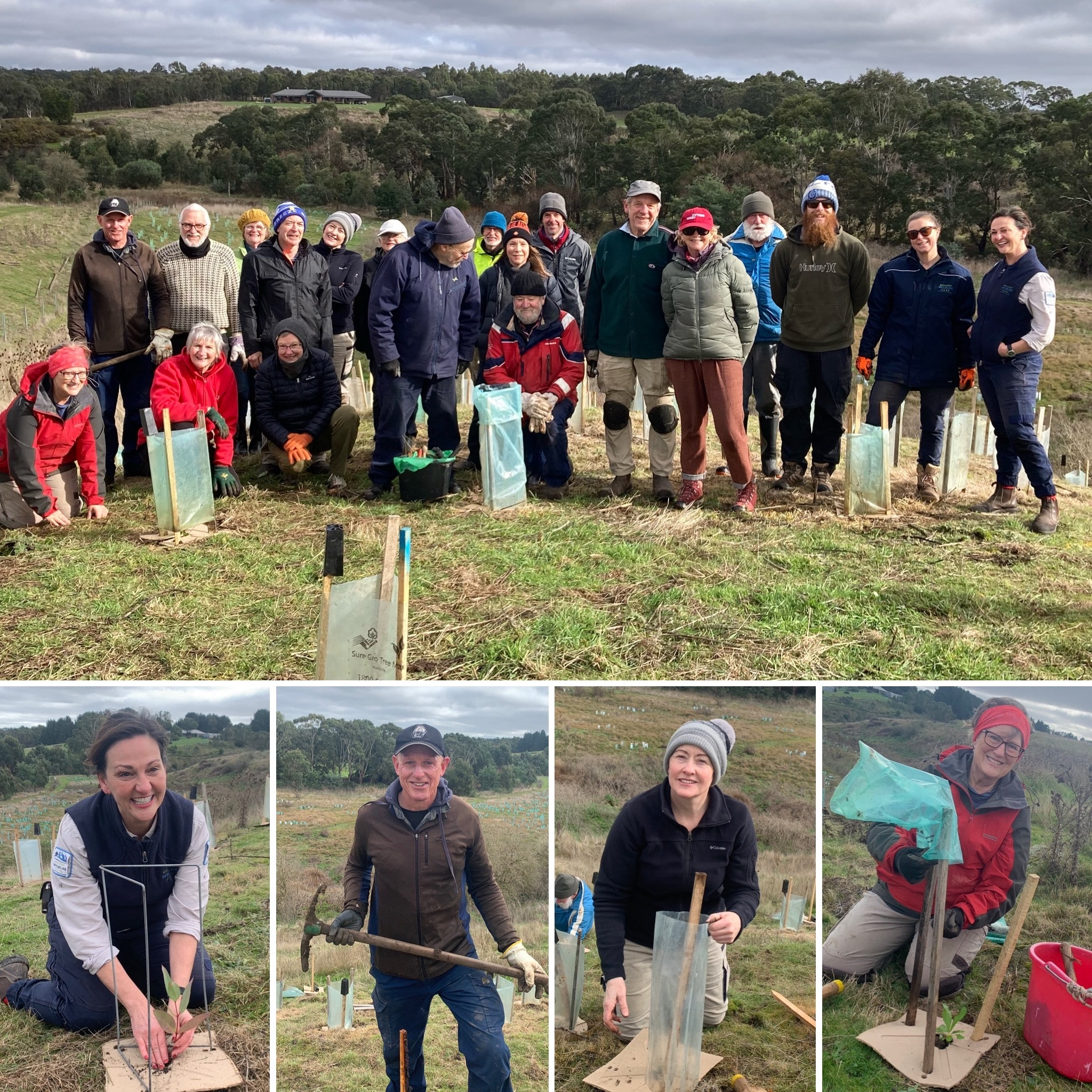
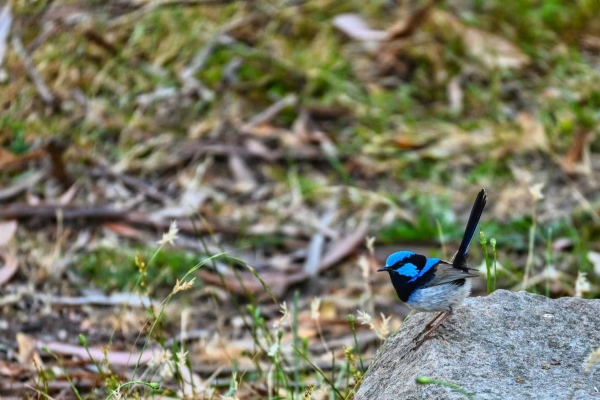
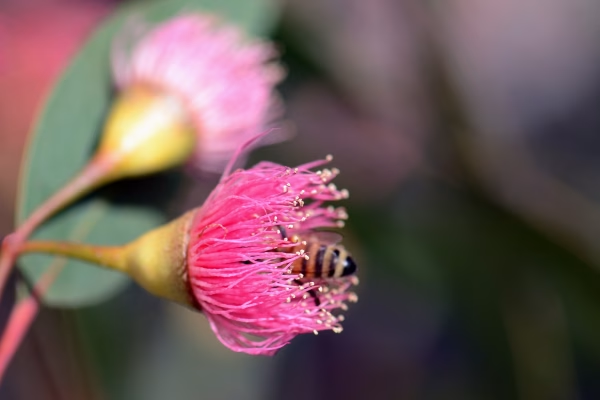
Frogs, platypus, rakali, echidnas, koalas, wallabies and possums have returned to a site that once had little to offer them. Dragonflies and bees move through an understorey that is thickening season by season. Bird species have climbed from just six recorded in 2010 to more than forty today, a clear measure of an ecosystem finding its feet again. Kangaroos graze the reserve. Birds of prey ride the thermals overhead.
The most recent planting of eucalypts, acacias, banksias and hakeas on the overlooking escarpment will anchor the soil, shade the creek, shelter fish and platypus, and buffer the landscape against erosion, flood damage and strong winds as the trees mature.
As the students will know, biodiversity is important for a healthy ecosystem, and this particular planting will help create a rich and resilient ecosystem. As the species flower and fruit at different times of the year, they will provide a continuous supply of food and shelter for local wildlife.
Writer: Colleen B. Filippa
With a background in Environmental Science, Colleen is the Founding Director of Fifteen Trees. In 2009, after 20 years in primary, secondary and tertiary education institutions, Colleen left the classroom to start the company. Fifteen Trees is a social enterprise assisting individuals and companies to reduce their carbon footprint by supporting community groups such as Landcare, schools and environmental networks.