Ballarat Wildlife Park is dedicated to the care and conservation of native Australian wildlife, with a special focus on koalas, kangaroos, and reptiles. Through its conservation programs, education initiatives, and partnerships, the Park aims to foster a deeper connection between the public and Australia’s unique fauna. The Ballarat Wildlife Park is home to the largest colony of koalas in Victoria, due to its highly successful breeding program.
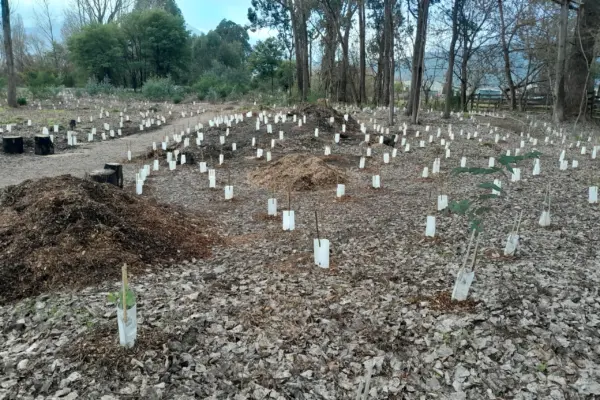
In 2024, Ballarat Wildlife Park and Fifteen Trees teamed up to plant one native tree for koalas for every Koala Encounter through the park’s Branching Out for Koalas campaign. Each year over 2,000 native trees are planted in Victoria as part of this initiative.
The campaign was launched to combat the ongoing threats to koalas posed by habitat loss, bushfires, and climate change. This initiative helps create new habitats and supports ecosystems that are vital to the survival of Australia’s beloved koalas.
We’re thrilled to team up with Fifteen Trees in this crucial effort. Koalas are an iconic Australian species, and with increasing threats to their natural environment, it’s never been more important to ensure they have access to suitable habitats. Planting these native trees is just the beginning of a broader initiative to safeguard their future.
Julia Leonard | Park Curator | Ballarat Wildlife Park
Sites have been chosen for their potential to regenerate wildlife corridors that are essential for koalas to thrive. In addition to improving koala habitat, this initiative will have broader ecological benefits, including carbon sequestration, soil regeneration, and the creation of environments for other native wildlife species.
Over the course of 2026, koala habitat trees are being planted at the following Victorian sites. This page will be updated as more sites are planted.
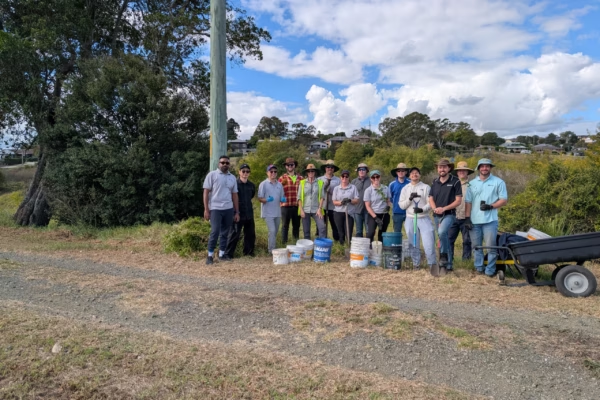
On the traditional lands of the Wadawurrung People in Central Victoria between Union Jack Creek and Yarmlok Plain, a significant piece of land is being revegetated at Scotchmans Lead Reserve in Napoleons by the Napoleons and Enfield Landcare Group (NELG). For years, these dedicated volunteers have been rehabilitating the riparian zone along the Yarrowee and Union Jack Creek. For those unfamiliar with the term, riparian zones are the strips of land that border our rivers, streams, creeks, gullies and wetlands, that is, the living edges of our waterways. Riparian zones are among the most ecologically important habitats in the Australian landscape.
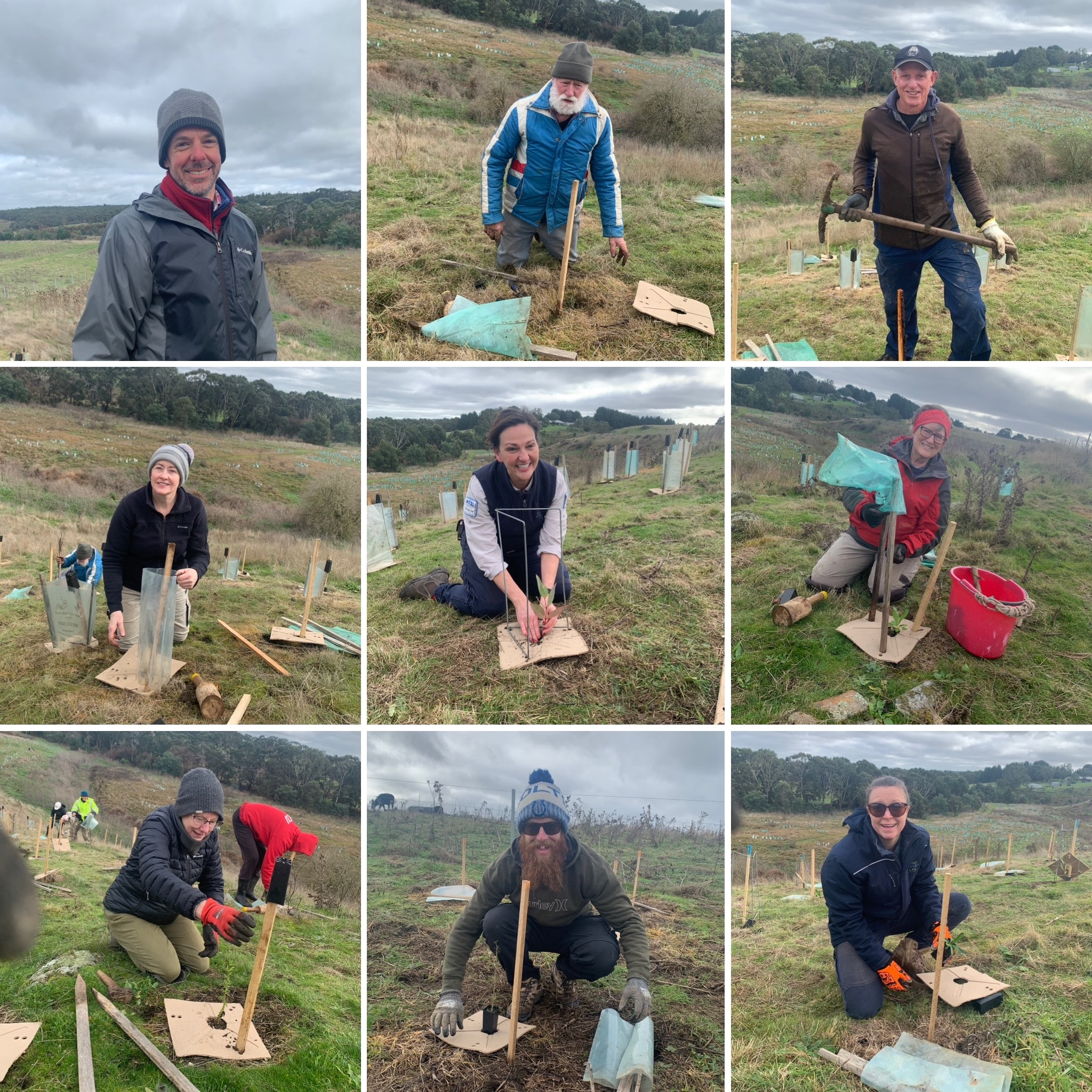
The results of their work are nothing short of extraordinary. What was once a heavily degraded site, scarred by gold mining and decades of neglect, is now a thriving pocket of native bushland. Frogs, rakali (native water rats), echidnas, koalas, wallabies and possums have all returned. Dragonflies, bees and countless other invertebrates are back in the under-storey. Bird species have grown from just six recorded in 2010 to more than forty in the last 12 months. Kangaroos and koalas are now regular inhabitants of the reserve. Birds of prey circle overhead.
Beneath it all, a natural woodland of manna gums and swamp gums with native shrubs and grasses is steadily re-establishing beneath the canopy.
We are so grateful to have sponsors supporting work that our group has been doing now for many years. The results are speaking for themselves, more people than ever are beginning to understand just how important it is to protect and restore the natural environment around us. Financial support makes an enormous practical difference, of course, but it also means something deeper than that. It tells us that what we’re doing matters. And that is genuinely motivating.
Jenny Ryle | President | Napoleons and Enfield Landcare Group Inc.
The most recent planting of eucalypts, acacias, banksias and hakeas on the overlooking escarpment will help stabilise the soil and banks. The new native trees will provide shade along the creek, create vital shelter for fish and platypus, protect the riparian zone from erosion and flood damage, and help buffer the landscape against strong winds as the canopy matures.
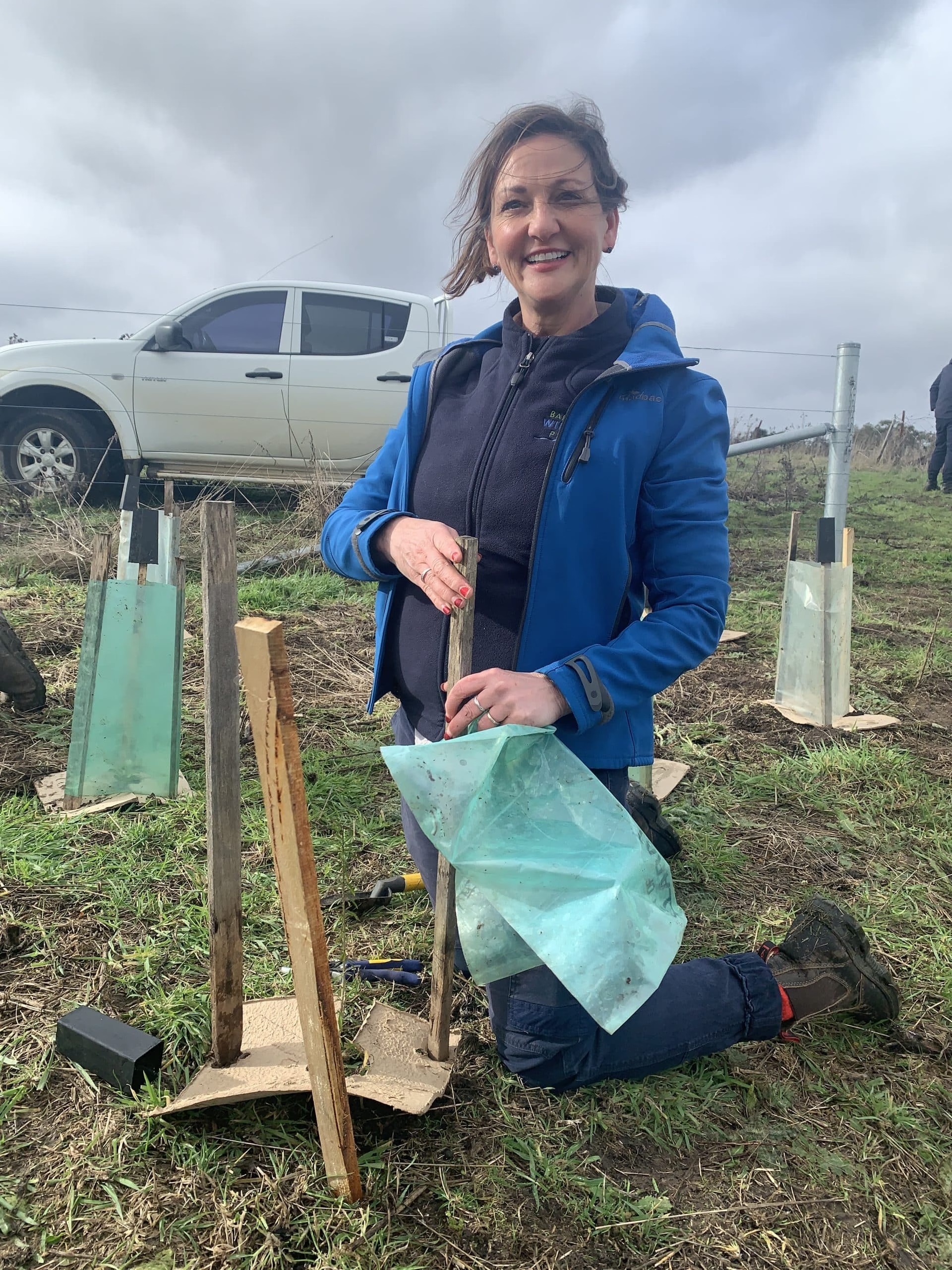
Friends of the Forgotten Woodlands Inc. (FOFW) are a not for profit group whose mission is to restore the missing keystone species that were once in abundance across the Victoria Volcanic Plains region. Given the highly productive nature of this area, they focus on three keystone species – Silver Banksia, Drooping Sheoak and Sweet Bursaria. These trees were cleared early on by European settlers, with has resulted in these species being found as isolated remnants across the region (which stretches from Melbourne to Hamilton).
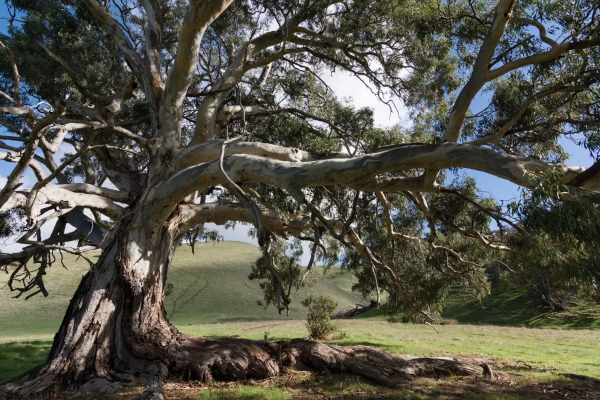
Koalas live among Silver Banksia, Drooping Sheoak, and Sweet Bursaria, but with an important distinction – they do not use these trees for food. Instead, they live in them for shelter, shade, and temperature regulation, relying on neighbouring eucalyptus trees to eat. These three plants are part of the native Plains Grassy Woodlands ecosystem of south-eastern Australia (particularly Victoria and South Australia), which serves as a vital habitat zone for wild koalas.
How Koalas Use Each Tree
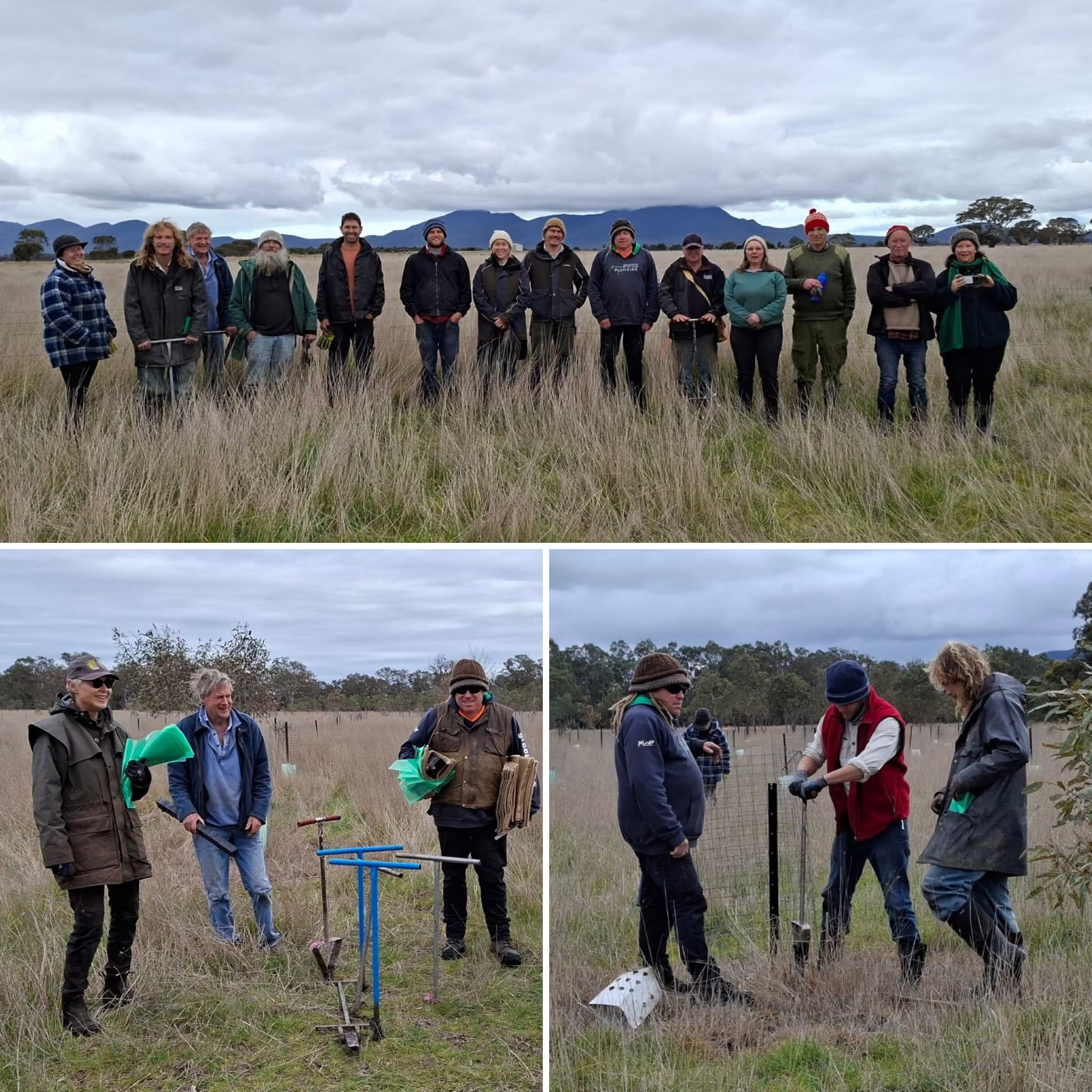
For the main planting of the season, 21 people attended the two-day planting. These community planting days provide likeminded people to get together, when they usually would not, and enjoy each other’s company in a beautiful setting.
The Friends of Forgotten Woodlands Inc. are incredibly grateful for the generous donation to help us do what we love most. To have such a significant donation made to us because someone believes in what we do is very heartwarming. On behalf of all the FOFW members, thank you so much.
Aggie Stevenson | President | Friends of Forgotten Woodlands Inc
There are many animals which will benefit from these plantings. Species of significance include Brolga, Horsefield’s Bushlark, Growling Grass Frog and other amphibians, Eastern Grey Kangaroo, wallabies, koalas, reptiles, black swans, Fat-tailed Dunnarts to name a few.
The partnership between Ballarat Wildlife Park and Fifteen Trees signifies a long-term commitment to environmental sustainability. Moving forward, both organisations aim to expand their reforestation efforts, engaging the community in tree-planting events and educational programs designed to raise awareness about the critical role habitat restoration plays in wildlife conservation.
Ballarat Wildlife Park and Fifteen Trees share the same belief, that small, consistent actions add up to something meaningful over time. The native trees we’re planting together will be standing for a long time, providing habitat for koalas and countless other species.
Colleen Filippa | Founding Director | Fifteen Trees
Koalas, one of our most beloved natives, are facing significant challenges both locally and nationally. Their numbers are dwindling due to threats like disease, dog attacks, and road hazards. The greatest danger, however, comes from habitat loss as the trees they rely on are increasingly felled. Today, koalas are confined to small pockets of remnant bushland or isolated in narrow strips of marginal habitat. These areas leave them vulnerable.
Check out BWP trees from 2024 (2,000) and 2025 (2,422).
Writer: Colleen B. Filippa
With a background in Environmental Science, Colleen is the Founding Director of Fifteen Trees. In 2009, after 20 years in primary, secondary and tertiary education institutions, Colleen left the classroom to start the company. Fifteen Trees is a social enterprise assisting individuals and companies to reduce their carbon footprint by supporting community groups such as Landcare, schools and environmental networks.