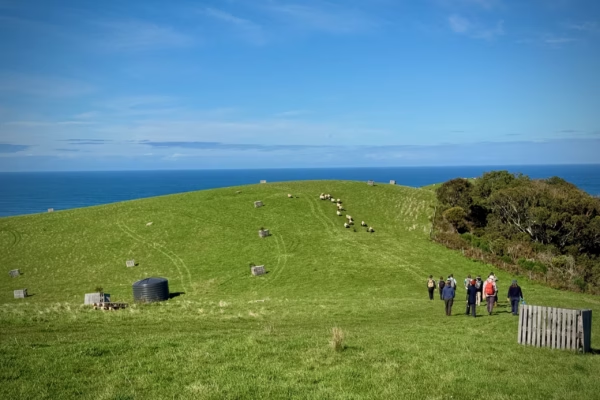
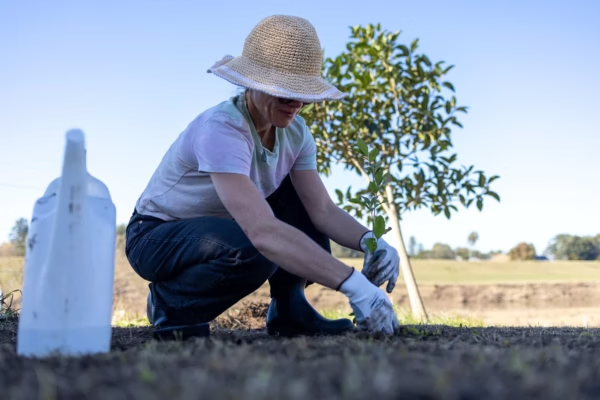
With their HQ in Melbourne and satellite branches in Sydney, Brisbane and Adelaide, Wavelink are branching out, (pun intended), to put their environmental ethics at the forefront through the support of community tree planting projects here in Australia.
Wavelink has made a long-term commitment to the environment by pledging to purchase 100 trees every quarter. This generous and ongoing support is deeply valued, not only by us, but also by the many community groups who will benefit from the long-term positive impact on their local environment.

At Wavelink, we understand the profound impact technology can have on the environment, and we are committed to mitigating that footprint by fostering a more sustainable future. Supporting community tree planting projects across Australia is one way we actively contribute to this goal, helping to restore ecosystems, improve air quality, and support biodiversity.
As part of this commitment, we recognize that our training and events contribute to our carbon footprint through freight, travel, and resource use. To help offset this impact, we have committed to planting 100 trees per quarter, ensuring that as we deliver valuable learning experiences, we also invest in a healthier planet.
These initiatives reflect our dedication to corporate responsibility and environmental stewardship, ensuring we make a positive and lasting difference in the communities where we live and work. Together, we can grow a greener, healthier future for generations to come.
Nick Touzeau | Chief Operating Officer | Wavelink
Sunshine Reserve sits within the traditional lands of the Bunurong/Boonwurrung people. Sunshine Creek was known as Ballern Ballern, thought to mean ‘place of two creeks’ – a name that speaks to the long cultural connection between Country, water and people. Over the course of the community event, 67 volunteers joined with Sunshine Reserve Conservation Group. The day started the morning with a Smoking Ceremony led by Uncle Lionel which gave everyone a chance to connect with Country before the work began. It was a simple but powerful example of community coming together.
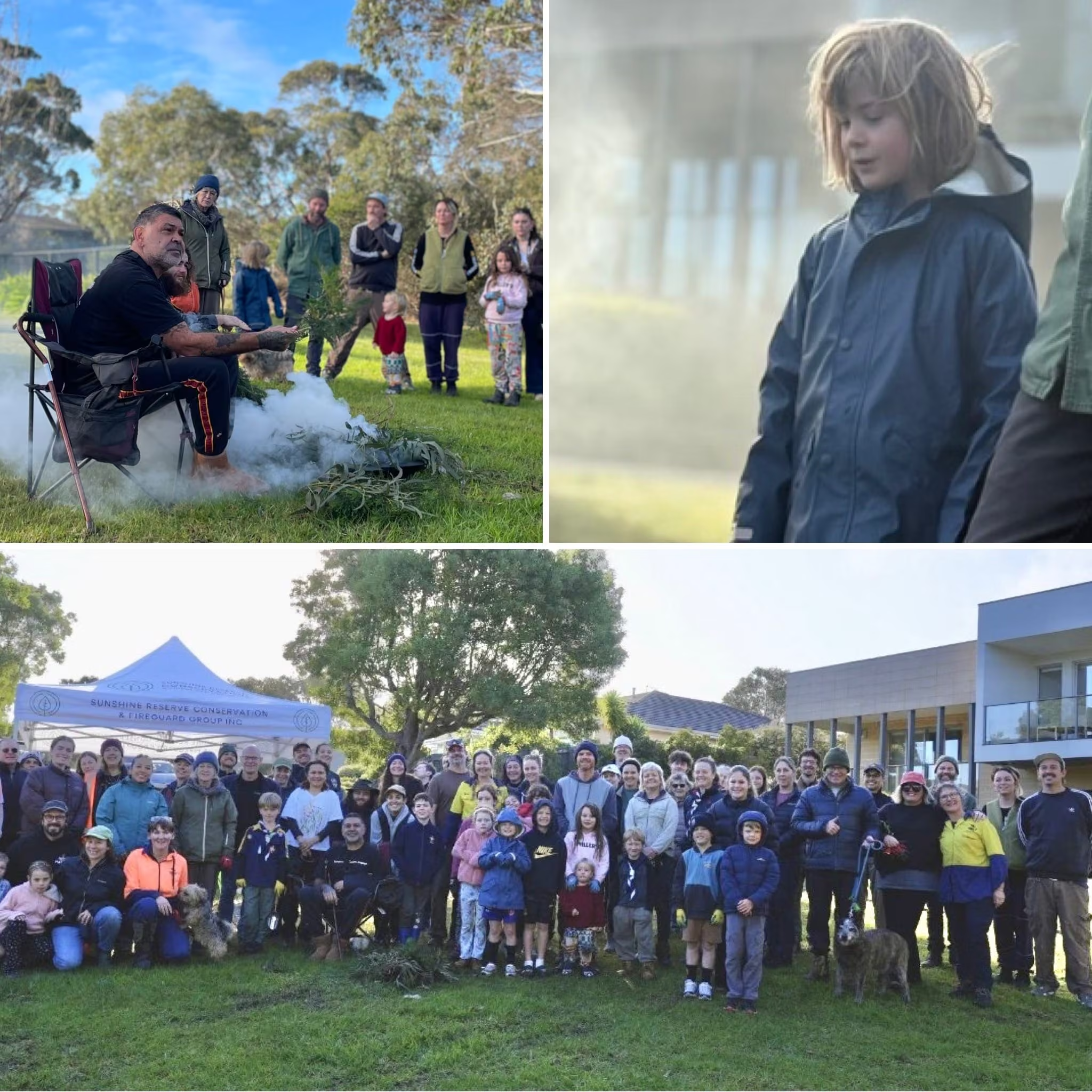
A variety of species were planted, including – Sweet Bursaria, Swamp Gum, Manna Gum, Snow Gum, Caroline Range Gum, Snowy Daisybush, Spiny-headed Mat-rush, Short-stem Flax-lily, Kangaroo Grass, Veined Spear-grass, Pale Spear-grass, Tall Sedge, Kidney Weed, Ivy-leaf Violet, Native Raspberry, Black She-oak, Kangaroo Apple and Tree Everlasting. Eighteen species in all! As these plants establish and mature, they’ll rebuild the layered structure that a healthy bushland needs – canopy, under-storey, ground-cover. All providing food and shelter for wildlife, stabilising soil, filtering water and restoring the ecological balance that this reserve has been working toward for years.
The birds arriving back are perhaps the most visible sign that it’s working. Superb Fairy-wrens, Grey Fantails, Crimson and Eastern Rosellas, Yellow Robins, Pardalotes, Thornbills and Tawny Frogmouths are all re-establishing themselves in the reserve. Yellow-tailed Black Cockatoos have been spotted moving through the canopy. And both Southern Boobook Owls and Powerful Owls (apex predators of the night sky) are making their presence known. Where owls hunt, the food chain is intact. That’s a very good sign.
Thank you to sponsors of Fifteen Trees for supporting grassroots conservation on the Mornington Peninsula. Your belief in us as a team is helping us restore habitat, increase biodiversity and create canopy corridors for wildlife to move through an ever-increasing urban landscape. We’re incredibly grateful to have you backing our community led work.
Angie Fly | Co-Ordinator | Sunshine Reserve Conservation Group
But planting days are never just about the trees. They’re about people too – coming together on Country, learning from one another, and taking part in something that connects them to this landscape and its history in a way that very few other activities can.
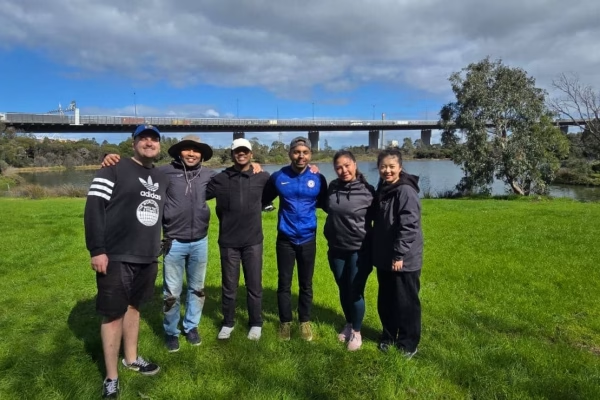
Westgate Biodiversity is a not-for-profit organisation located at the base of one of Melbourne’s most iconic landmarks and busiest gateways to the city – the Westgate Bridge. Nestled beneath this urban landmark, the group is working to create a thriving pocket of bushland that provides both sanctuary for wildlife and a green escape for people.
This community-based organisation plays a vital role in the west of Melbourne. Not only do they grow and sell locally indigenous plants to support home gardeners, schools, and revegetation projects, but they are also passionately restoring Westgate Park. Their vision is to transform what was once a degraded and industrial area into a natural, bush-like haven, filled with diverse plant species that will flourish for decades to come.
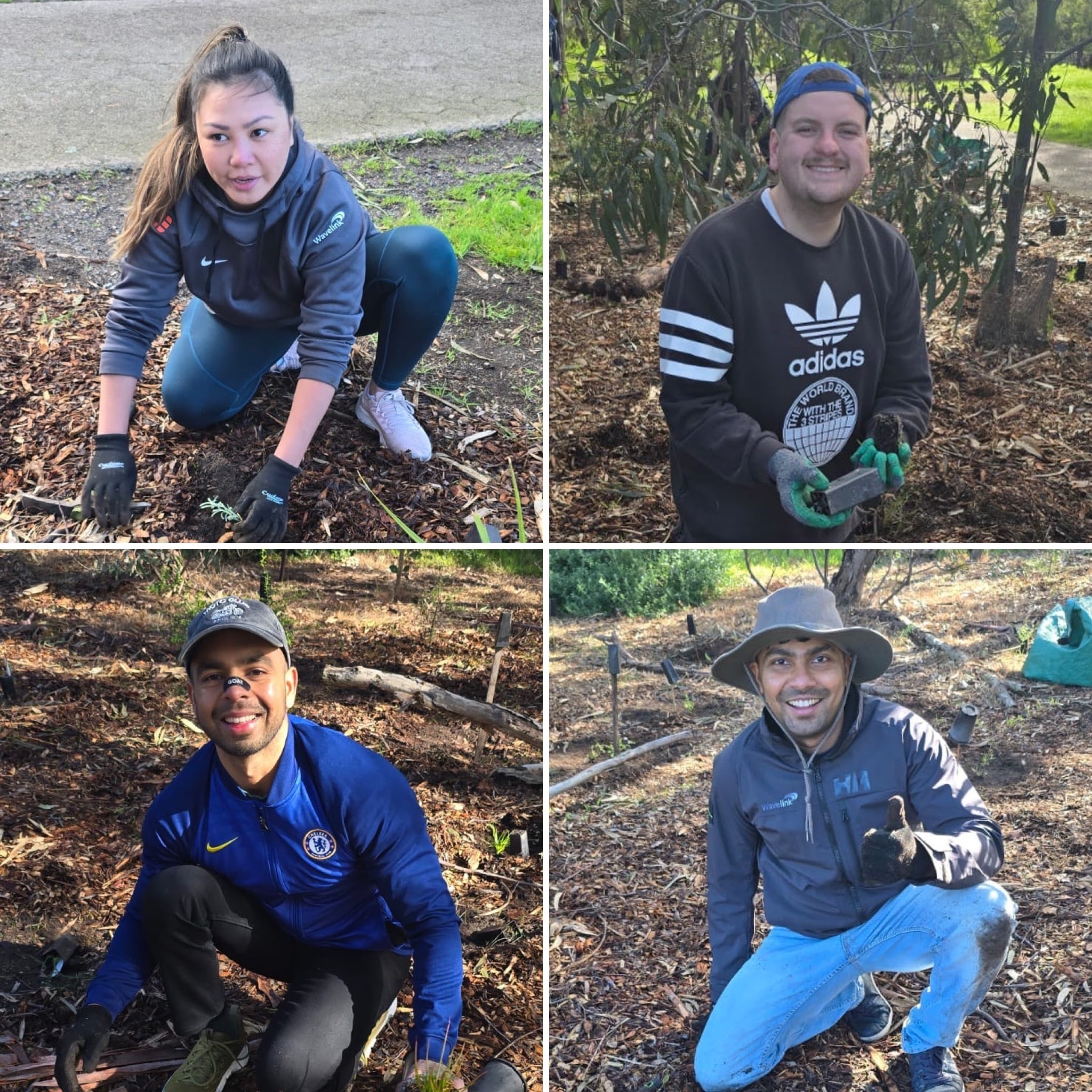
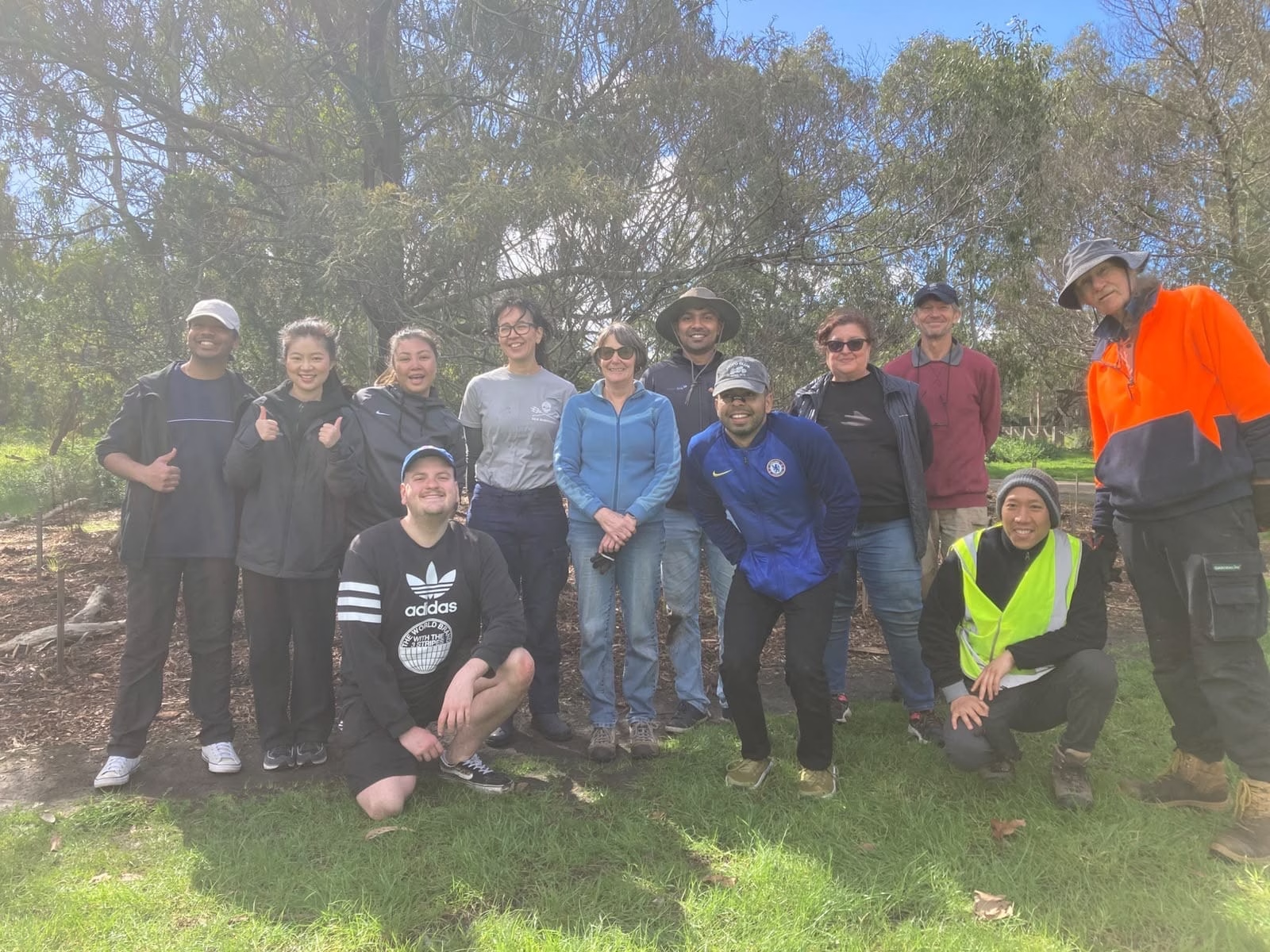
Recently, the team from Wavelink rolled up their sleeves to plant 500 native trees and shrubs at the site. Species included: wattles (Heath, Golden, Lightwood and Coastal), sheoaks (Black, Swamp and Green), saltbushes (Grey and Marsh), correas (White, Smooth and Common) and eucalyptus (River Red Gum, Yellow Gum, Ironbark, Swamp Gum and Manna Gum).
This impressive diversity of plants will help create a rich and healthy ecosystem. As the different species of plants flower and fruit at different times of the year, they will provide a continuous supply of food and shelter for local wildlife – from birds and insects to small mammals. Over time, these plantings will not only enhance the biodiversity of Westgate Park but also ensure it becomes a vibrant, living landscape where both people and nature can thrive side by side.
This year, working with Geelong Landcare, we organised the planting of 200 native trees along Tea Tree Creek at Barrabool (Wadawurrung Country). This area was once dominated by Eucalyptus and Drooping Sheoak woodlands with a grassy understory. However, over the years, the area has been largely cleared and taken over by introduced pasture grasses. The aim of the planting group is to restore the site to past biomes with the planting of species such as indigenous Manna Gums, Swamp Gums, narrow-leaf Peppermints, Drooping Sheoaks and Black Wattle.
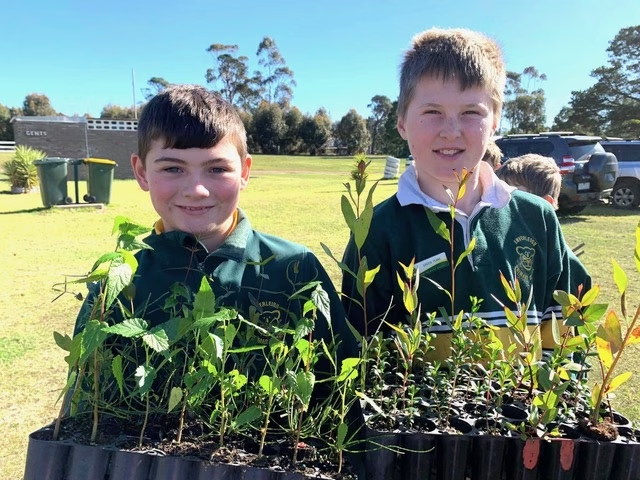
Enhancing what native vegetation still remains and providing critically important animal habitat will see an improvement in both the local fauna species as well as those species (e.g. kangaroos, echidnas) using this area as a corridor or stepping stones between native reserves. There is a large diversity of fauna in the area, with animals such as Growling Grass-frogs, Rakali and one of our most iconic Australian animals the platypus.
Geelong Landcare Network was so thrilled to be given plants for this project. We thank all our supporters. Our aim is to restore and enhance our natural environment and your contribution has directly contributed to this aim. Thank you once again.
Bronwyn Merritt | Facilitator | Geelong Landcare Network.
We planted the trees with the newly formed Biodiversity Victor Harbour on the South Coast of the Fleurieu Peninsula in SA on the banks of the Hindmarsh River Estuary. The trees were a mixture of native trees and shrubs such as Kangaroo Thorn, Drooping Sheoak, Gold Dust Wattle, Silver Banksia, Paperbark, Blue Gum and Chaffy Saw Sedge. The plants selected, were chosen to provide feed (flowers and seeds) and protection for the native birds, reptiles, insects and mammals that live in the area.
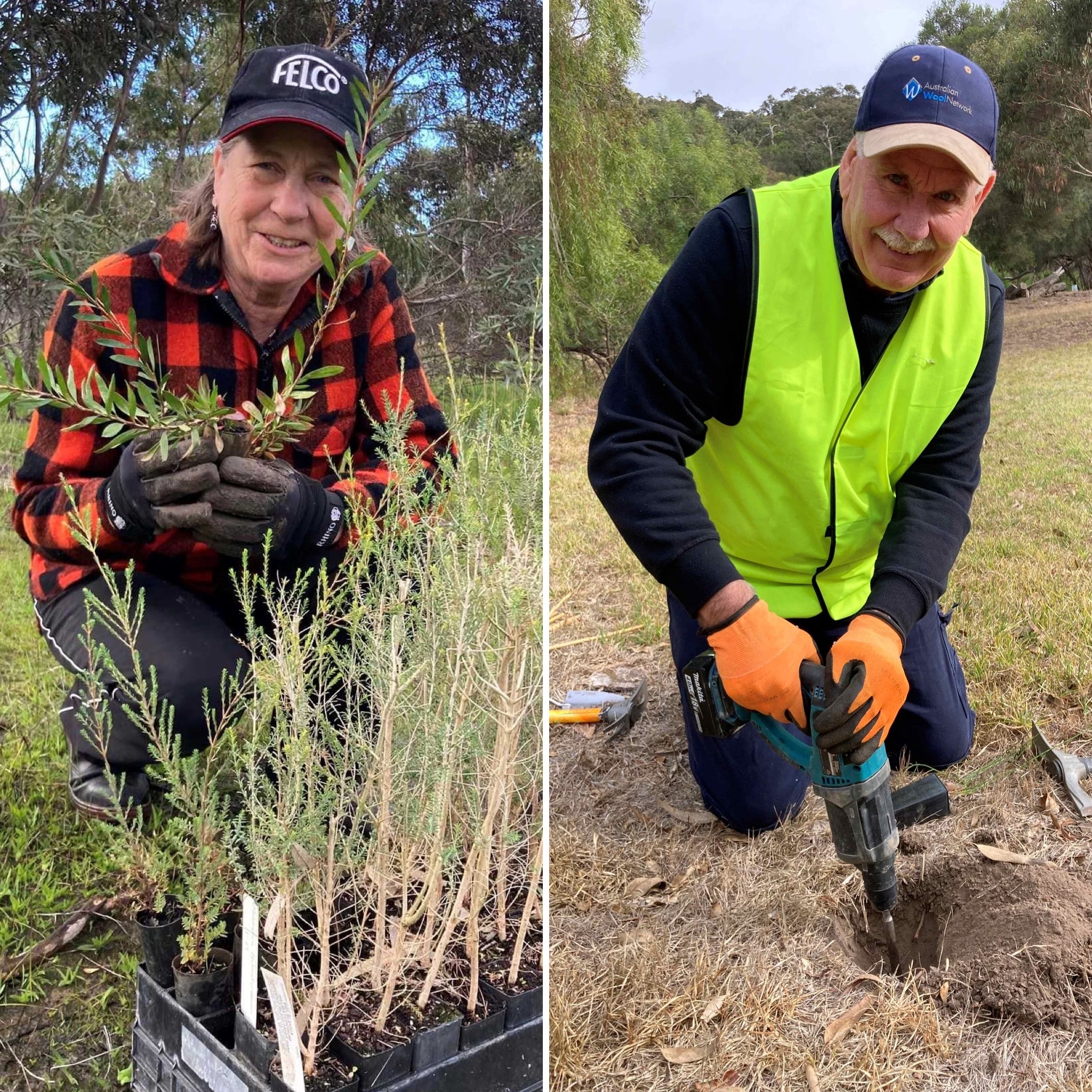
As the areas planted are public lands, Biodiversity Victor Harbour work closely with the local council in the planning and delivery of the planting projects. In addition to the plantings, both groups are heavily involved in weed management from garden escapees to the wrong species of native species planted in the past.
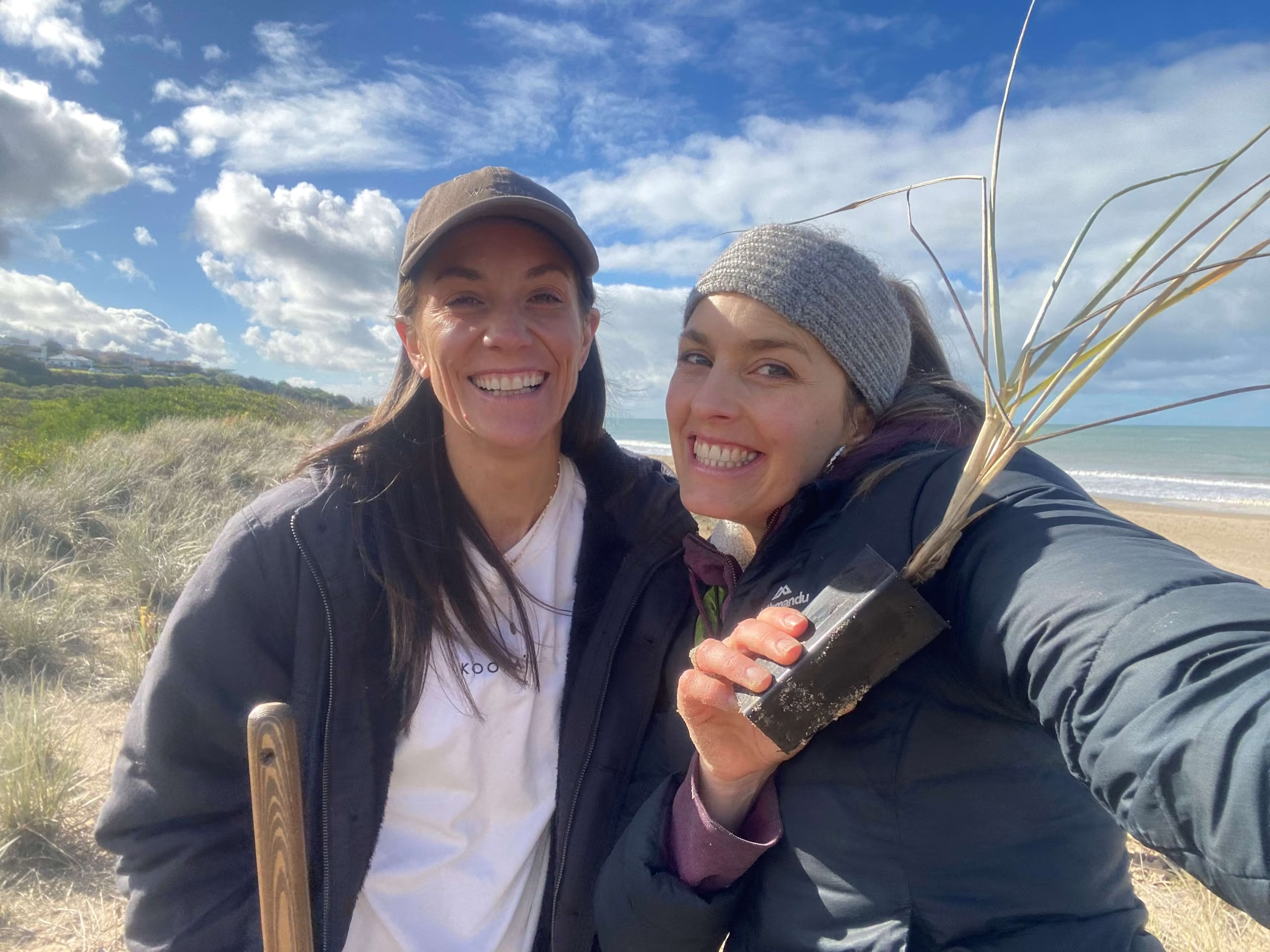
Part of the program includes replanting of coastal areas between the beach proper and sand dunes to provide shelter and cover for the Hooded Plover during breeding. The Hooded Plover is considered endangered, with eggs and chicks having a low survival success rate from dogs being allowed uncontrolled on beaches and predation from foxes, feral cats etc.
I am delighted to advise we have lobbied our local council and they have agreed to assist with building a community hub plus work collaboratively with us to expand our activities to influencing domestic and rural property owners to review their properties and adopt planting of local indigenous species, whether as gardens or whole scale biodiversity projects. Thank you to those who support Fifteen Trees, who in turn has supported this project of ours.
Mark Richards | Coordinator | Biodiversity Victor Harbour.
Wavelink, are a fast-growing Australian IT distributor providing leading-edge cybersecurity and mobility enterprise solutions. Over the past twenty years they have become a key specialist in the areas of security, networking, mobility, unified communications and applications whilst building a team who are focused on product intimacy, as well as being highly responsive to the needs of the partner ecosystem. And speaking of ecosystem, we know they care about the actual ecosystem as much as the virtual ecosystem – as proven by their partnership with us on tree planting, which we thank them very much!
If you would like to know more about sponsoring community tree planting projects and how we can assist you in becoming a more sustainable business, please contact Colleen at <[email protected]>.
Writer – Lou Ridsdale
Lou a green thumb, Earth Lover, big-hearted nature freak, plus a savvy media and horticulture expert, who passionately believe that everyone can lead a more nourishing and sustainable life. Lou founded Food Is Free Inc., a unique grassroots food security platform specialising in food security education. You can find Lou here.