School libraries have a role in helping us learn how better to care for our world and the Association, led by its Committee of Management and State Council hopes to lead by example through this initiative with Fifteen Trees.
The conference is an opportunity to be immersed in a learning environment that is focussed on reading. SLAV members engage and collaborate with colleagues, explore ideas and strategies and share new learning.
Joy Whiteside | Executive Officer | SLAV
This year, the SLAV annual reading conference is on Friday 20th November at the Melbourne Convention and Exhibition Centre. This program brings together keynote and featured guest authors and speakers to celebrate reading, literacy, creators, learning, and the essential role school library teams play in developing, enabling and fostering a culture of reading and learning in schools.
The Maude, Meredith and Districts Landcare Group (est in 1986) was one of the first landcare groups to be formed in Victoria. Initially the group came together to focus on working collaboratively as a community to tackle the threat posed by the noxious weed, Serrated Tussock as well as rabbits. These invasive species were causing degradation of soil and the health of the landscape, impacting upon agriculture and environmental values.
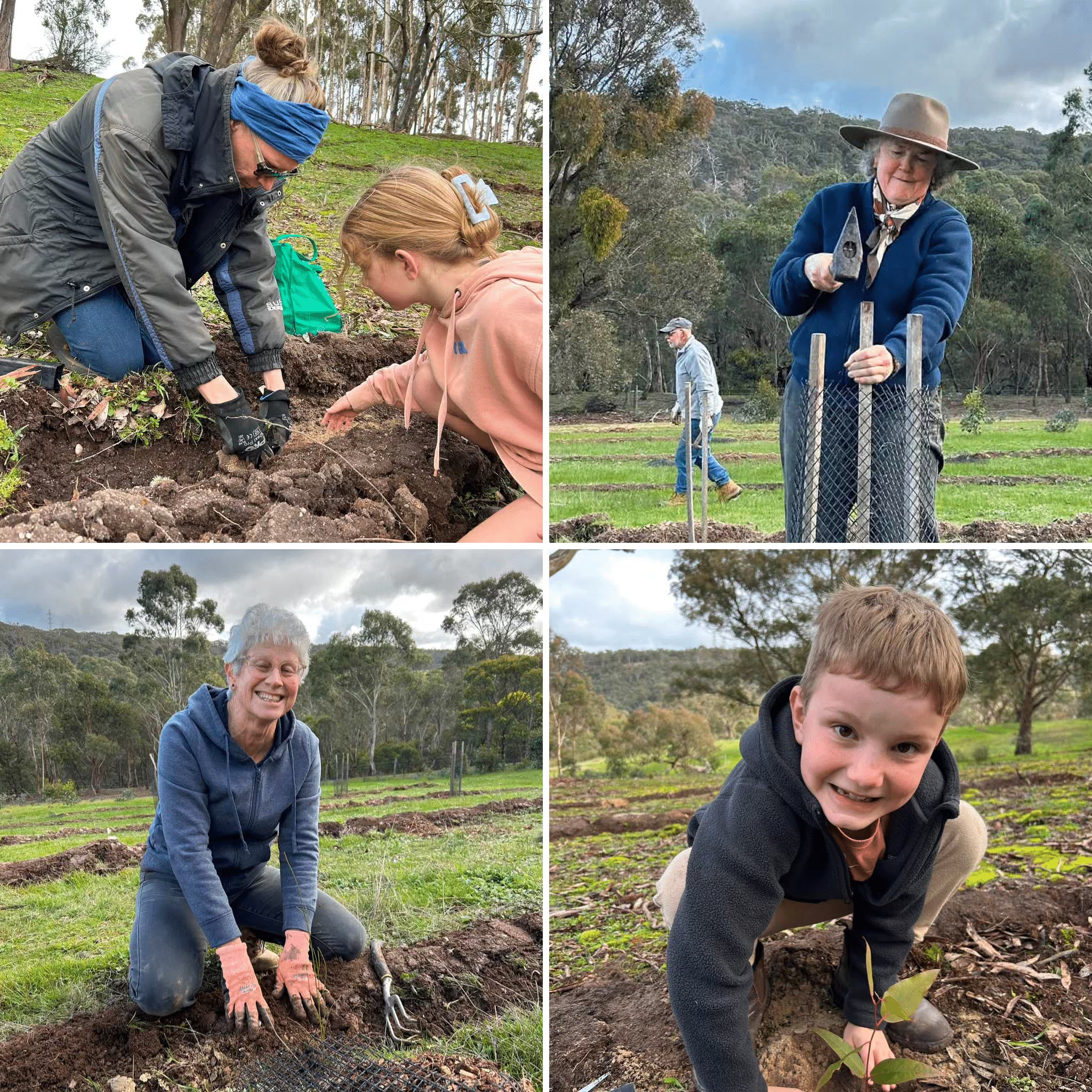
In contemporary times, the group’s focus is to promote conservation of land and waterways. The Moorabool River is the major waterway that runs through this district and together with all its tributaries, the Moorabool is a vital and beautiful natural asset which the locals are passionate about protecting.
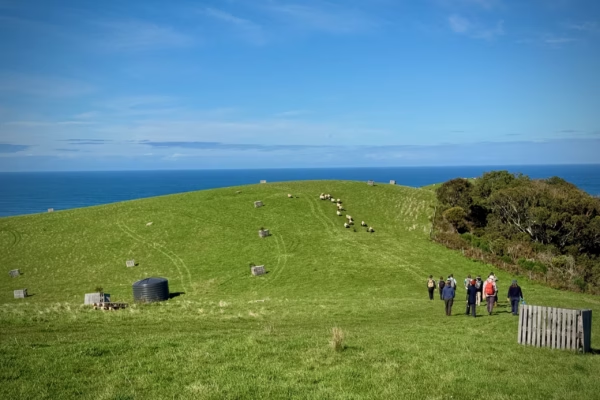
The site for these 100 trees at She Oaks where the natural ecosystems are described as grassy dry forests of the Central Victorian Uplands bioregion and grassy woodlands of the Victorian Volcanic Plains. Revegetation of the site will help to boost the biodiversity and habitat values of the whole river corridor which acts as an important chain of habitat links through the region.
Species that are native to the local area were planted, including:
One of the species planted, Melbourne yellow gum (Eucalyptus leucoxylon connata) is a rare subspecies of yellow gum. The Maude district is one of the only places this subspecies occurs in the region. It is a slow-growing very large gum that will develop hollows for wildlife once it becomes mature. It is also much-loved by bees and other insects for its nectar and pollen.
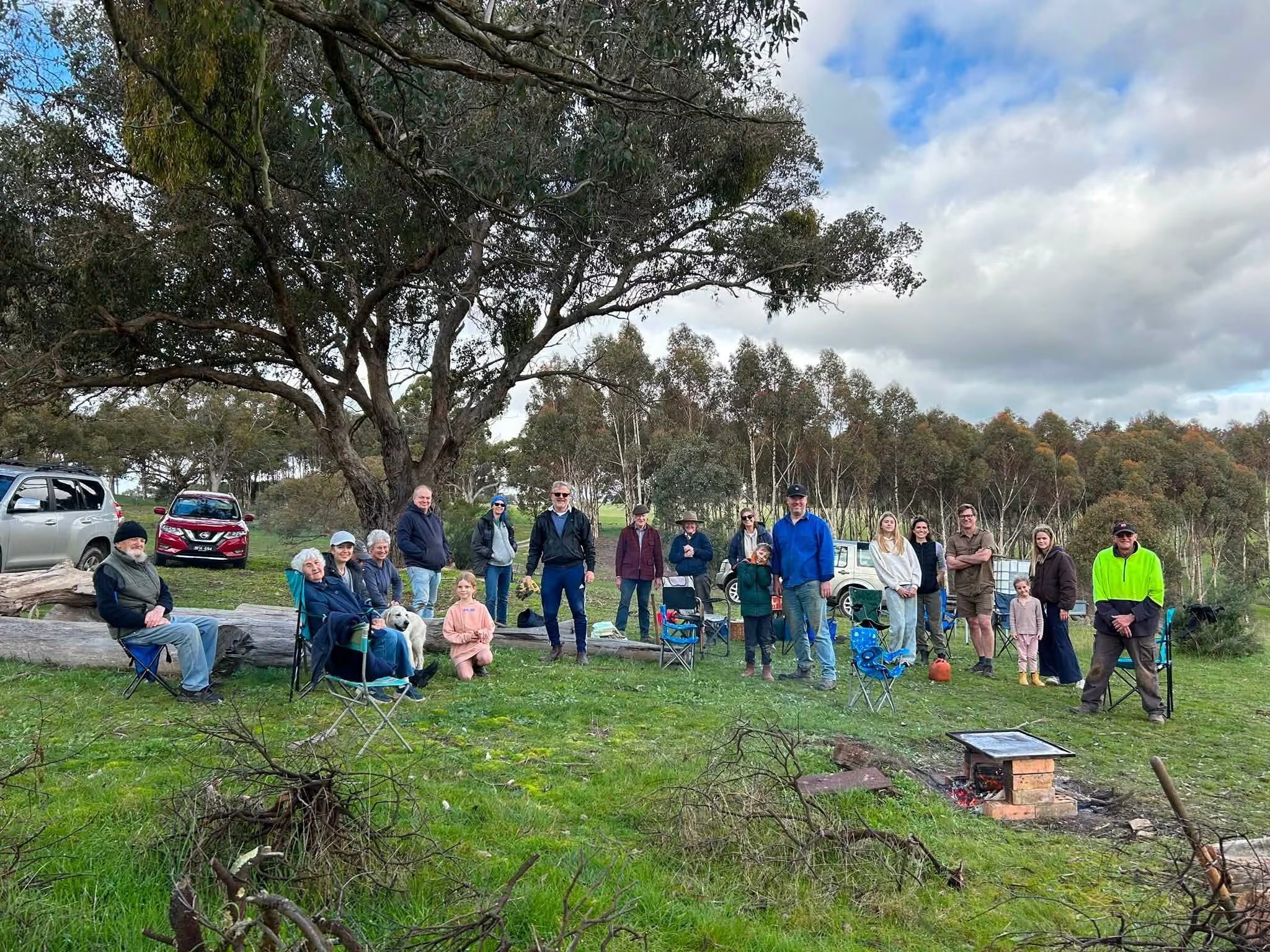
The species planted will enhance the local environment by providing biodiversity and habitat. The species will provide shade once they are mature and sources of food and shelter for native fauna. The species that were planted are native to the local area. A variety of species was selected in order to provide different types of niches in the vegetated habitat, including tall long-lived tree species like the Yellow gum, medium-sized shorter-lived pioneer species such as the wattles, Sweet bursaria which is a haven and food source for small birds and beneficial insects. The native grasses that were planted are long-lived and self-seeding species that will assist in developing the important ground-layer, replicating the natural woodland / dry forest ecosystem.
Magic happens when people come together to plant trees! It was also a day when relationships were forged, connections built, helping to foster the next generation of volunteers to keep this passion going.
Elissa Ashton-Smith | Landcare Facilitator | Geelong Landcare
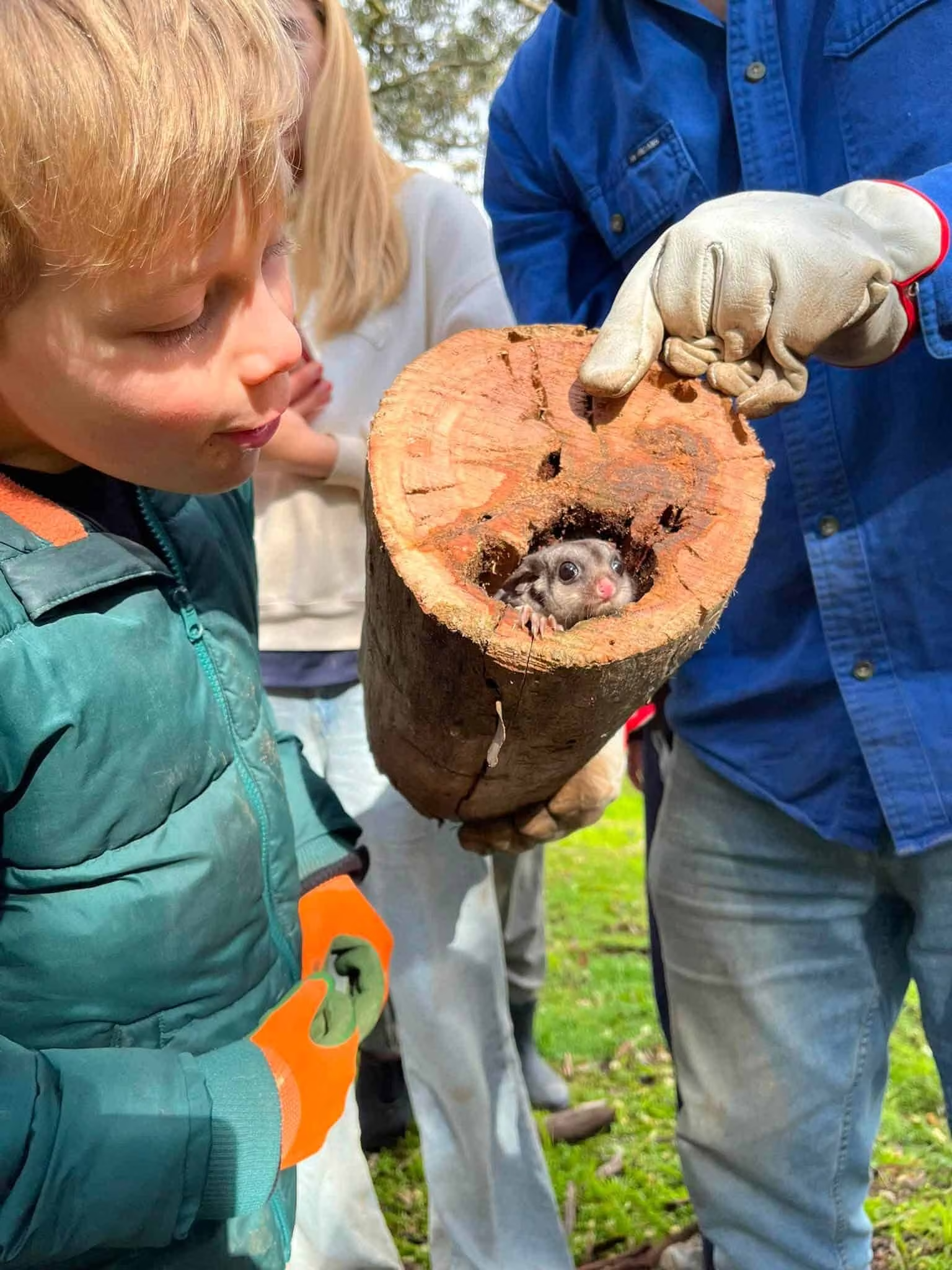
During the tree-planting, a sugar glider was found taking shelter inside a hollow log (see photo below)! This illustrates the importance of planting trees and building good forest and woodland habitat.
On the traditional lands of the Dja Dja Wurrung People in Western Victoria, a wonderful collaboration has taken place. The Bealiba Reservoir Committee of Management, together with the University of Technology Sydney (UTS), recently coordinated a community planting event along the eastern and western sides of the Bealiba Reservoir.
The day was part of the UTS outreach program, where students volunteer their holiday time to support environmental and community projects while travelling across the Eastern States. This particular project took place on public land managed by DEECA, Parks Victoria and the Bealiba Reservoir Committee of Management.
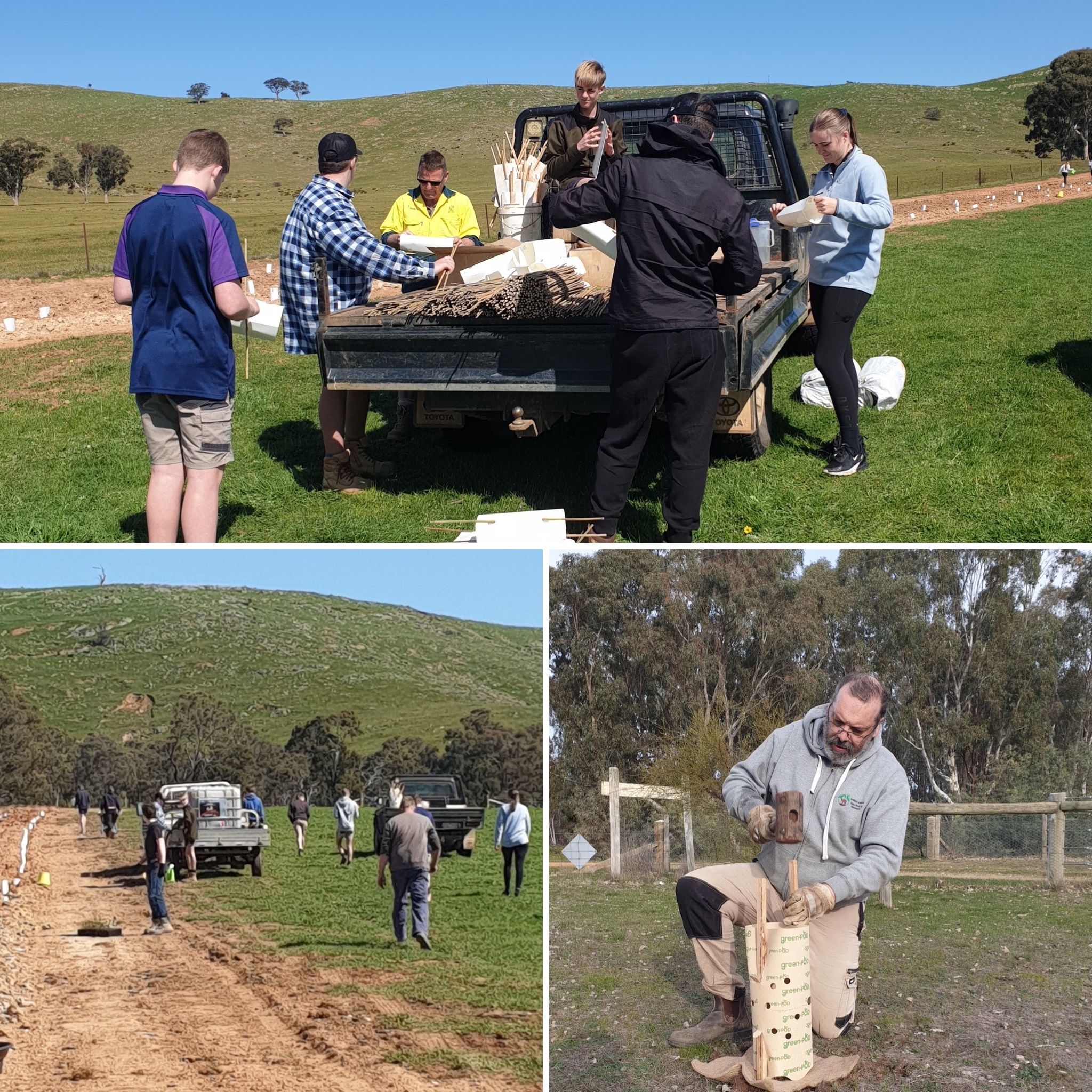
Twelve enthusiastic UTS students and six local community members rolled up their sleeves for the planting day. Before getting their hands dirty, participants learned about the local ecology, the significance of revegetation, and the cultural and environmental history of the region. A mix of Red Gum, Yellow Gum, Paperbark, Golden Wattle, Gold Dust Wattle and Bottle Brush were added to the landscape. These species will help restore the surrounding Box/Ironbark and Healthy Woodland ecosystems.
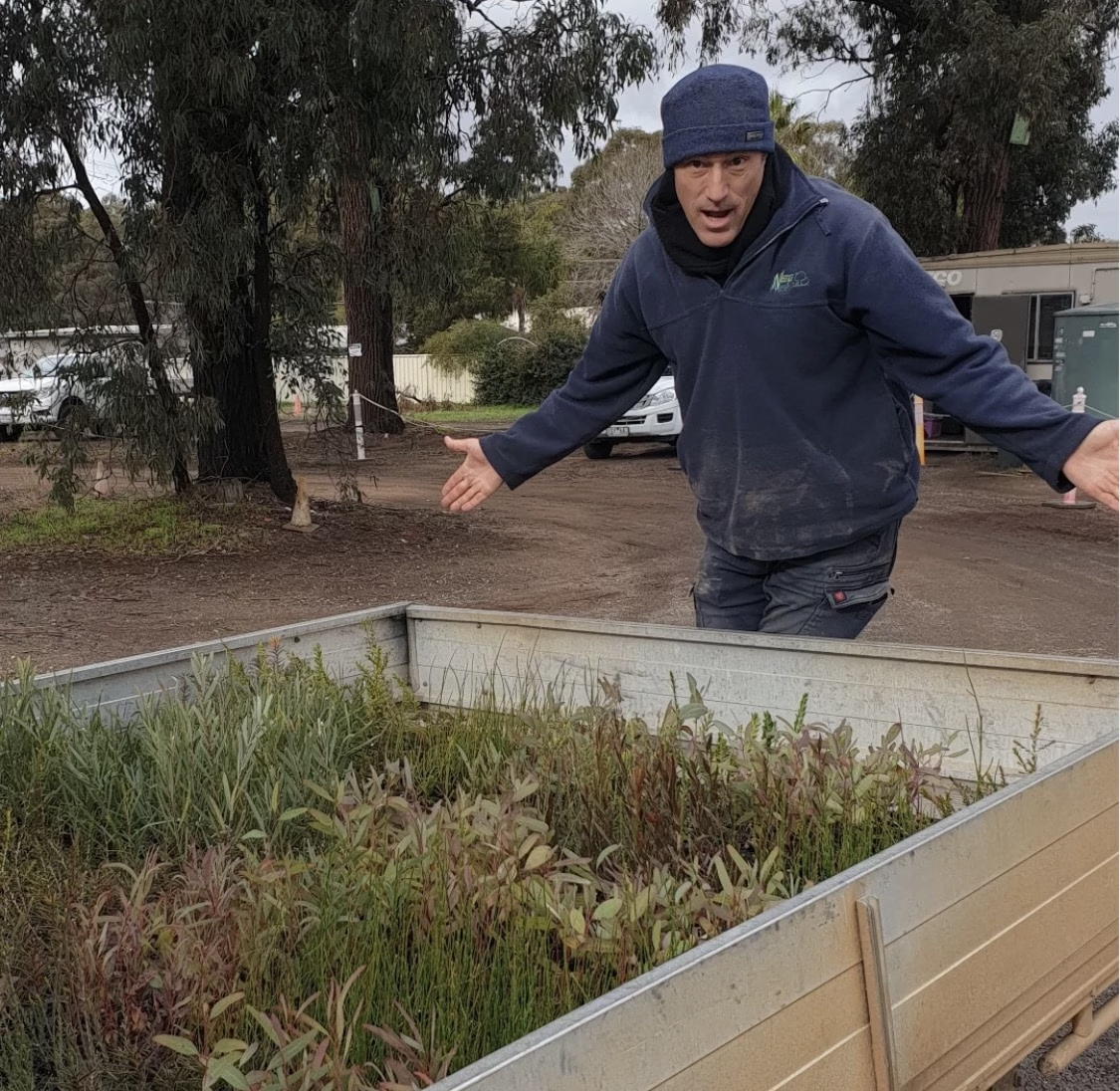
This particular site was once a grazed paddock but is now being transformed into vital habitat for the Rufous Bettong, a small marsupial once common across Victoria, now extinct in the wild. The hope is that this revegetation will one day support a breeding program, helping the species return to protected areas. The trees will also play their part in cooling the landscape and reducing the effects of wind across the open area.
Without partners such as Fifteen Trees and their sponsors, our community group would not have been able to undertake this planting activity. The trees we plant provide benefits, such as habitat and food sources, to local animal species, while enhancing the beauty and resilience of our local landscape for visitors to this reservoir.
Thank You!
Andrew Borg | Facilitator | Bealiba Reservoir Committee of Management
The reservoir is already a haven for native wildlife, home to Brush-tailed Phascogales, Yellow-footed Antechinus, Ringtails, Sugar Gliders, and a wide variety of birds, from ducks, herons and cormorants to woodland favourites like honeyeaters, robins and pardalotes.
This year, SLAV sponsorship went towards planting habitat trees for Victorian wild koala populations at Inverleigh in the Otway Ranges by The Koala Clancy Foundation. Native tree species included River-red gum, Yellow gum, Manna gum, Sweet Bursaria, Wirilda and Lightwood. All trees were sourced from local indigenous nursery at Western Plains Flora.
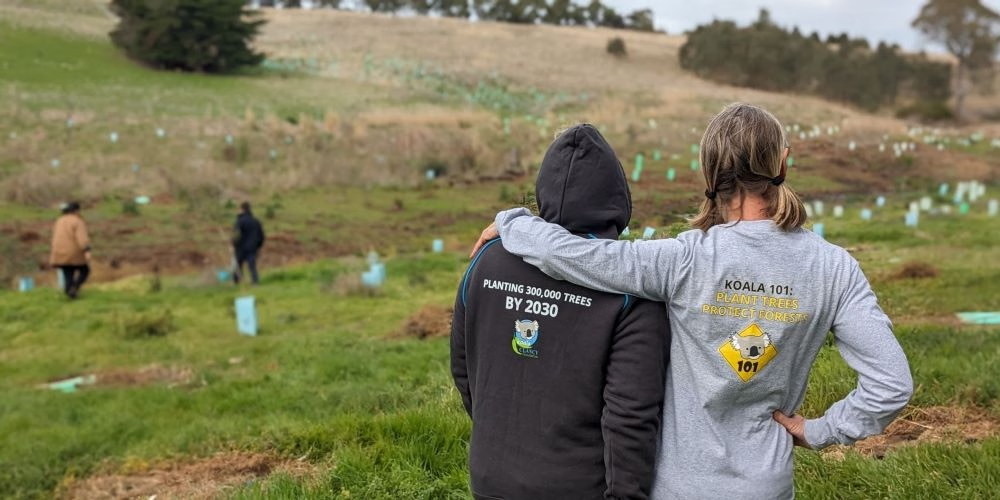
Koala Clancy planting site.
The Wadawurrung are a recognised tribe (community) of this district, which consisted of some 25 clans that forms part of the Kulin Nation of Aboriginal people.
At Inverleigh, a small population of wild koalas are just hanging on. Many years ago all the woodland around them was cut down, isolating these koalas. Now modern farmers are keen to revegetate the streams, but they need our expert help. This project will restore an endangered ecosystem in a region that has lost 87% of its natural forest. This planting will effectively double the habitat for these koalas, giving them a lifeline.
Janine Duffy | President | Koala Clancy Foundation
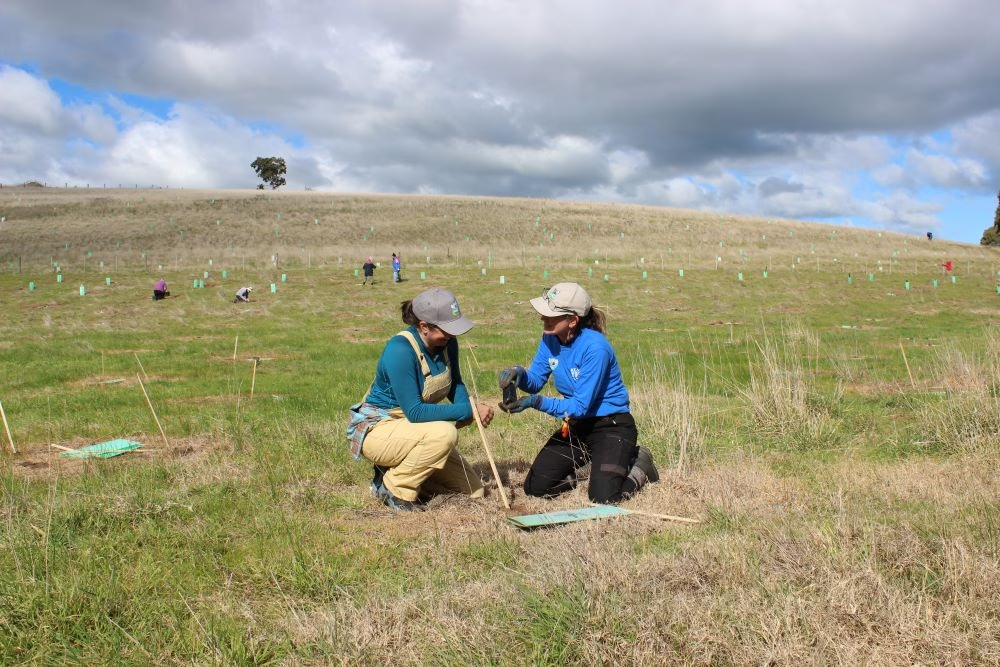
It is fitting that an image of an owl can be seen in SLAV’s logo along with the words School Libraries: Powering Learning, for it is in the district of Western Victoria (Dja Dja Wurrung Country) that we planted 200 native trees for the Association. Home of the of the Powerful Owl.
Our November 2023 conference – School Libraries – Reading the World – brings together hundreds of people. Our decision to sponsor the planting of 200 trees, to help reduce the impact of the event was not taken lightly. The trees will be speaker gifts and also offset the overall impact of the event. We are thrilled to be able to be support this meaningful work.
Dr Susan La Marca | Executive Officer | SLAV
This spring, we organised the planting of 200 native trees – one for every person at this year’s conference in Melbourne. This including trees as thank you gifts for their fabulous speakers (21 in all).
The trees were planted at Moonambel (Dja Dja Wurrung Country) in the Western District of Victoria with the assistance of the Buloke and Northern Grampians Landcare Network. The trees were predominantly Buloke and Drooping Sheoak, two species of trees that once dominated the landscape.
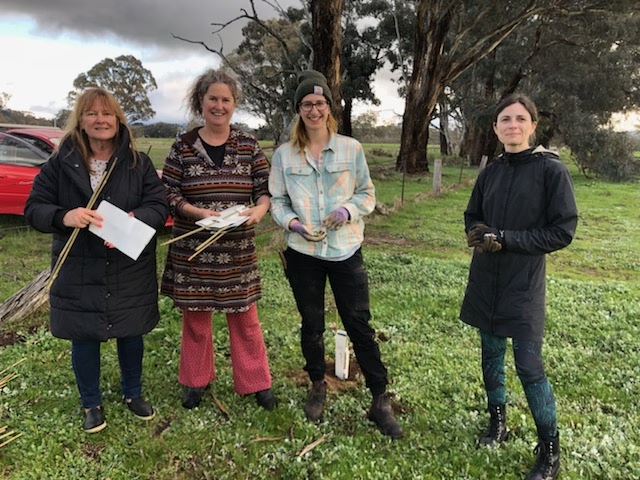
Traditionally, the site would have been Buloke Woodland – home to Powerful Owls and Red Tailed Black Cockatoos. Over the course of many years, the land has been significantly cleared for agriculture. Wood from the Buloke tree (one of the hardest woods in the world) was used as firewood and fenceposts. It’s not regarded as a particularly ‘pretty’ tree by the average farmer, who dislike it for its lack of fast development (it can take a hundred years to mature). This planting of 200 trees (part of a larger planting project of 900 trees) will form part of a network of habitat bio-corridors for native animals that habitat the region.
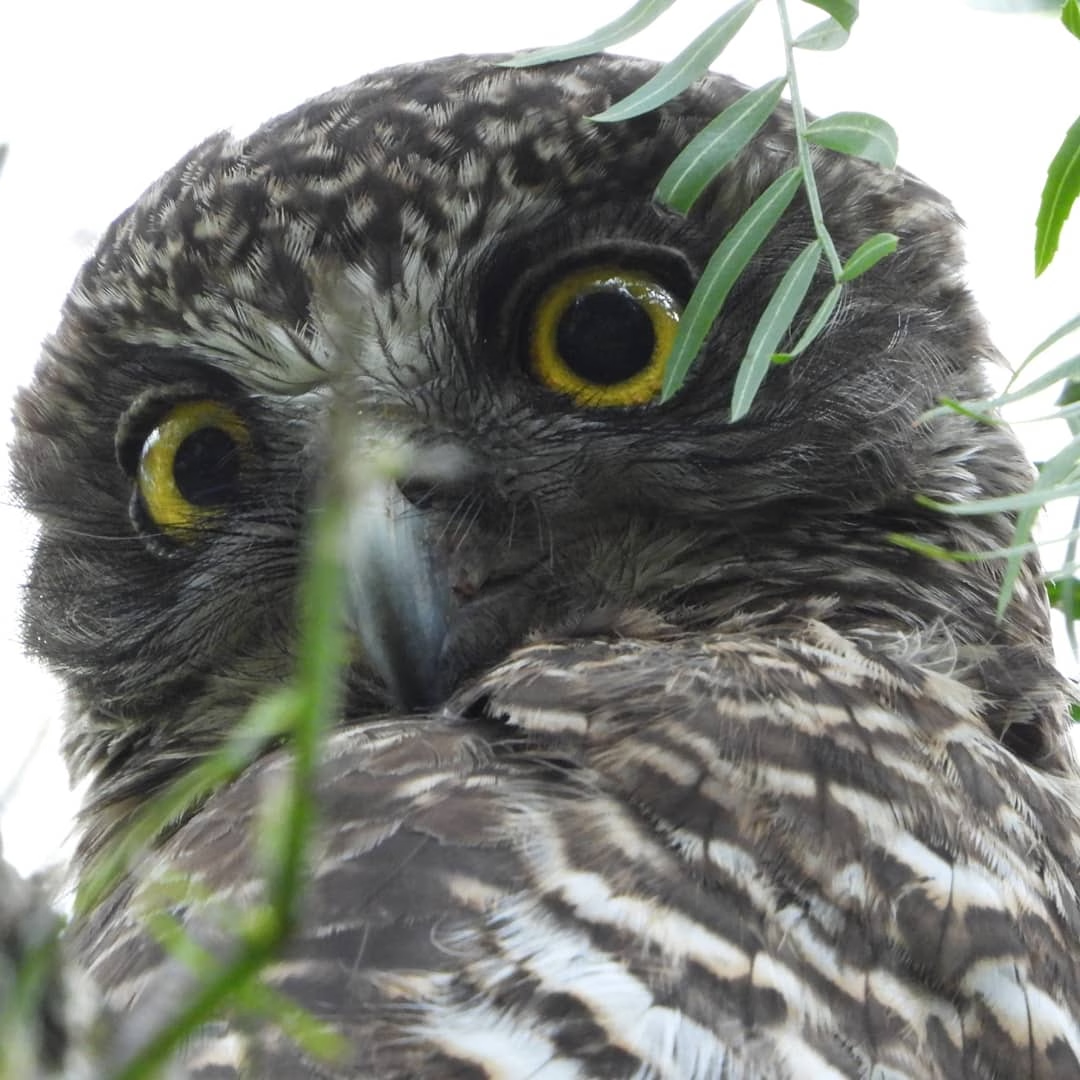
The Powerful Owl (Ninox strenua), is a species of owl native to the eastern coast of Australia including rural Victoria. It is the largest owl on the continent. This bird is also referred as the Powerful Boobook (another library reference)! Generally, this species lives in primary forests with tall, native trees, but can show some habitat flexibility when not nesting. With the planting of these 200 native trees, the local landcare group are hoping to increase their specie numbers by providing habitat vegetation for their prey (small bird species and ground mammals).
A huge thank you to the sponsors of these trees. You are helping this project to creative native habitat, combat erosion, increase soil carbon and over time, increase the numbers of our resident Powerful Owls.
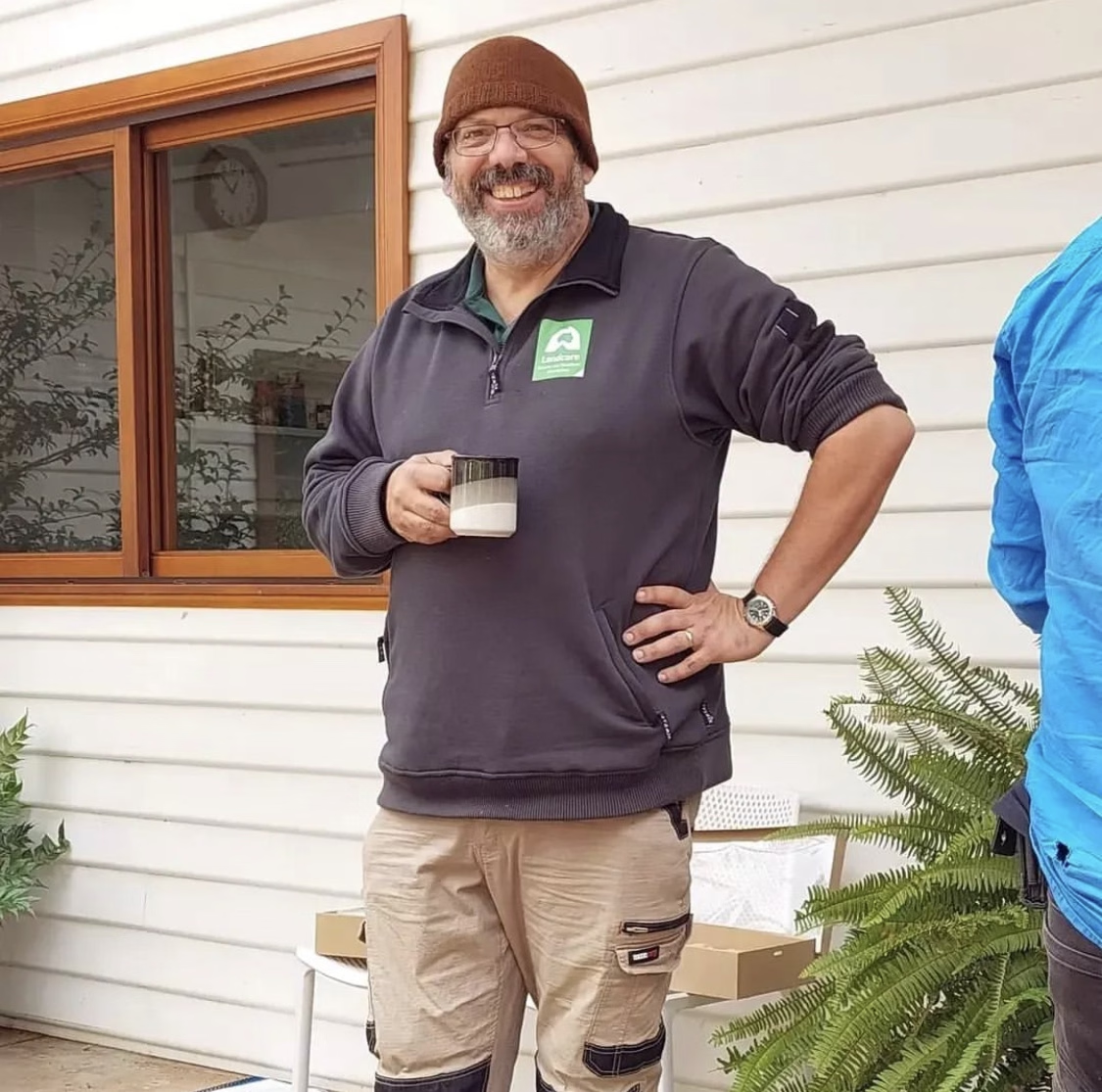
Andrew Borg | Facilitator | (BNGLN)
The school library plays a vital role in the development of literate, empathetic and knowledgeable young people.
This conference explores how school libraries create, foster and enable the reading experience to enrich their communities understanding of the world around them and themselves. With a focus on research evidence from leading academics the day explores the texts, tools, experiences, and understandings that underpin how school libraries support us in reading our world.
SLAV | 2023 | Conference Handbook
We have affinity with organisations (and individuals!) who want to do their part to preserve their little corner of the world. And it is thanks to associations such as SLAV that we could offer 200 trees to Andrew and the Buloke and Northern Grampians Landcare Network (BNGLN) to continue their preservation work.
If you would like to know more about sponsoring community tree planting projects for your own events and how we can assist you in running a sustainable event such as a conference or seminar, please contact Colleen at <[email protected]>. In the meantime, check out our blogpost on this very topic.
Writer: Colleen B. Filippa
With a background in Environmental Science, Colleen is the Founding Director of Fifteen Trees. In 2009, after 20 years in primary, secondary and tertiary education institutions, Colleen left the classroom to start the company. Fifteen Trees is a social enterprise assisting individuals and companies to reduce their carbon footprint by supporting community groups such as Landcare, schools and environmental networks.